.jpg?width=1320&height=528&optimizer=image)
Go/No-Go Machine brings pro paddle testing to amateurs
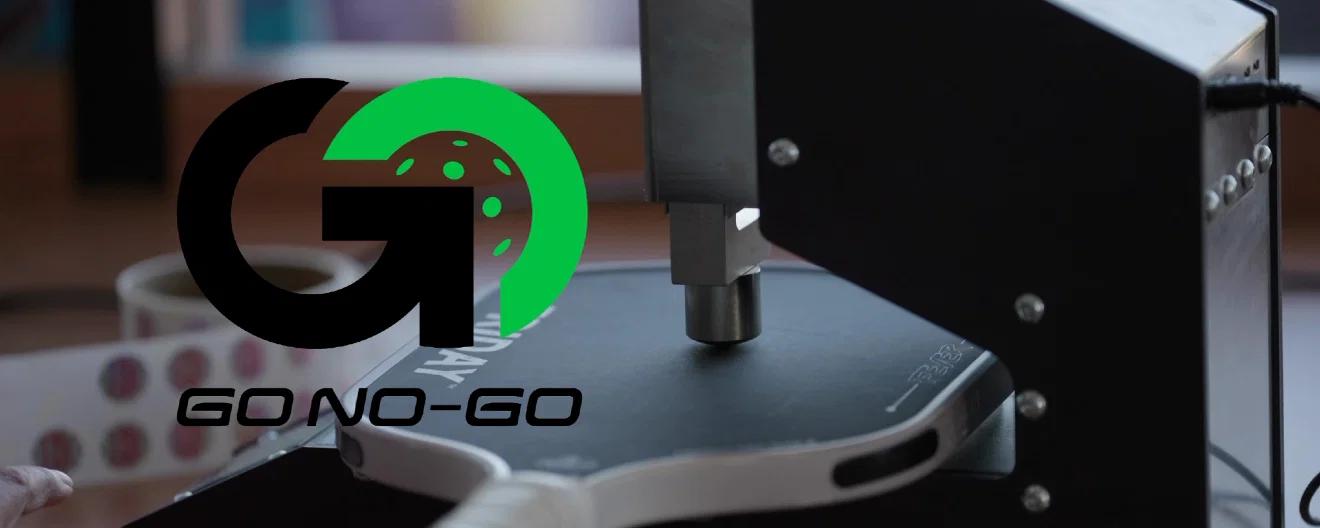
Pickleball’s rapid growth has brought with it a new challenge: equipment consistency. While professional tours have relied on standardized paddle testing for years, the amateur game, where most players compete, has operated without the same safeguards.
From pro tours to local tournaments
The GNG machine is currently used across the highest levels of the sport, including UPA-A sanctioned events and major professional tours, where consistent equipment standards are critical to competitive integrity. Now, that same standard is moving downstream.
Weighing just 14 pounds and delivering results in under a minute, the device allows tournament directors and clubs to test paddles on-site with a simple pass/fail output. What was once limited to controlled lab environments is now available courtside.
A growing problem in the amateur game
At the amateur level, enforcement has lagged behind innovation.
Core-crushed paddles, heavily broken-in surfaces, and out-of-spec builds have quietly become part of the competitive landscape, often without clear detection methods. The result is an uneven playing field where equipment can create a measurable advantage, and in some cases, a dangerous one.
As paddle power increases, so does ball speed. Without enforcement, players may unknowingly compete against paddles that exceed safe performance thresholds.
The GNG machine addresses that gap directly—giving tournament directors an objective, repeatable way to ensure compliance before matches begin.
Built for speed—and scale
Beyond tournaments, one of the most notable adopters of the technology has been paddle manufacturers themselves.
Using the GNG system, brands can now test prototypes in seconds rather than waiting weeks for lab-based validation. That speed is changing product development cycles, allowing for faster iteration and tighter alignment with performance standards.
The system operates on a $299/month rental model through Go No-Go Enterprises, making it accessible not only to pro tours, but also to clubs, tournament organizers, and even larger facilities looking to standardize play across events.
How it works (And why it matters)
The GNG machine performs a deflection test, compressing the paddle by a fixed distance (1/16th of an inch) and measuring the force required to achieve that compression.
That number serves as a proxy for paddle power.
It’s important to note: deflection is not a perfect representation of on-court performance, but it is an extremely effective gatekeeper.
Much like a Starrett surface roughness meter limits excessive spin, deflection testing identifies paddles that fall outside normal performance ranges—particularly those that have been altered, over-broken-in, or manufactured beyond intended specifications.
The bigger picture
Amateur players invest heavily—time, travel, and hundreds of dollars in entry fees—to compete. The expectation is that outcomes are decided by skill, not by equipment that slips through the cracks.
As paddle technology continues to evolve—through foam cores, advanced materials, and increasingly durable spin surfaces—the need for reliable, accessible testing will only grow. The introduction of portable, real-time compliance tools like the Go/No-Go machine marks a turning point.
What’s coming next?
With PPL acting as a primary testing body for UPA-A certification, there’s an added layer of precision on the horizon.
Because lab-based CoR (Coefficient of Restitution) data exists for individual paddle models, there is potential for model-specific deflection thresholds in the future:
-
If Paddle A is certified at peak performance with a deflection of 42 lbs, it remains legal at or above that number
-
If Paddle B peaks at 38 lbs, exceeding that—even if still below a general limit—would indicate it is out of spec
This approach moves the industry closer to something more nuanced than a single universal limit: a paddle-by-paddle standard tied directly to real performance data.
If you’re interested in purchasing or learning more about the GNG Machine, visit usapaddletesting.com or contact Matthew Ricci, GNG Head of Business Development at Matt@USAPaddleTesting.com.
Related articles
.jpg?width=592&height=237&optimizer=image)
Which Honolulu paddle should you buy? A guide to the lineup
We break down the paddles by shape, core, and surface so you can find the one that fits your game.
5 hours ago
-Joseph Sutton
.jpg?width=592&height=237&optimizer=image)
Gearbox Pressure X MPP vs. EPP: Which one should you play?
Gearbox built two Pressure X paddles on the same core system and frame, then tuned one for a fast release and the other for longer dwell.
6 hours ago
-Joseph Sutton
Best pickleball paddles for women 2026
Discover our top 7 best picks for every playing style, including pro favorites from Anna Leigh Waters and Anna Bright.
4 days ago
-Hannah Johns
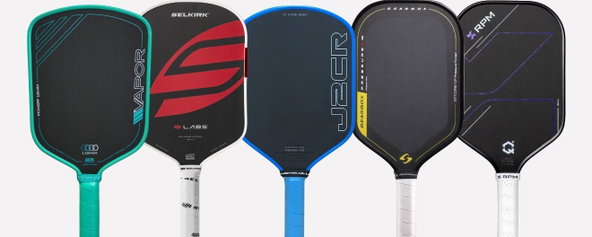
The top 5 paddles for power and forgiveness
These paddles give you real pace on drives and put-aways while staying stable and predictable when you miss the sweet spot.
4 days ago
-Joseph Sutton