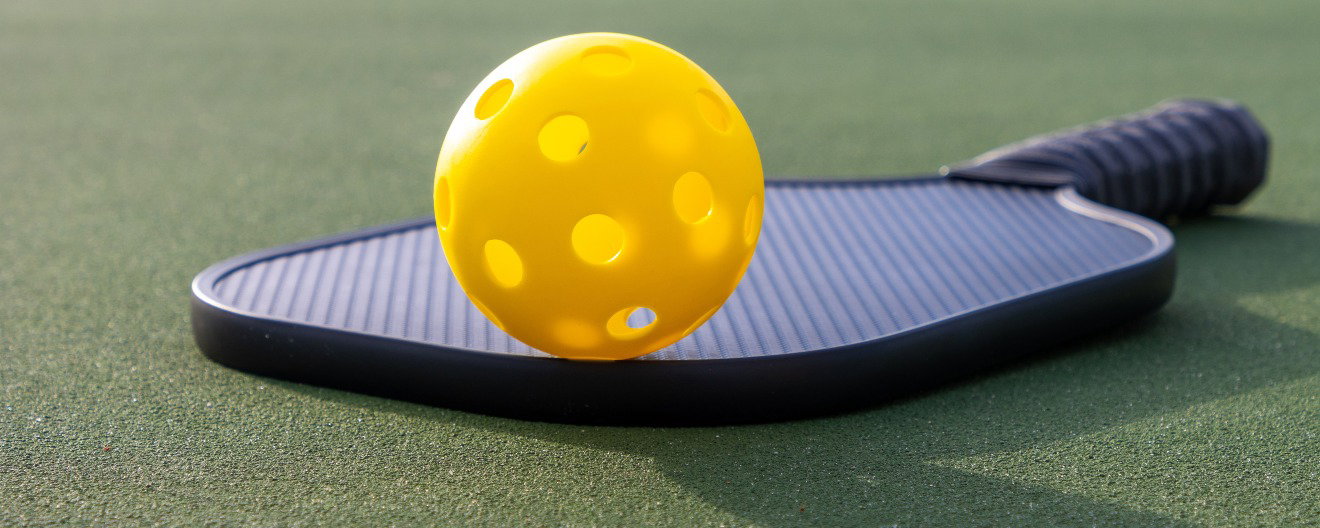
Pickleball paddle weight: Why it matters
Choosing the right pickleball paddle weight affects power, control, reaction speed, and arm comfort. Heavier paddles typically generate more power and stability, while lighter paddles allow faster swings and quicker reactions. The best choice depends on your playing style, physical comfort, and whether you prioritize power, control, or maneuverability.
What Is Pickleball Paddle Weight?
Pickleball paddle weight refers to how heavy the paddle feels when swinging and making contact with the ball. Most paddles are measured in ounces and typically fall between about 7.0 and 8.5 ounces.
Paddle weight influences several aspects of performance:
• Power generation
• Swing speed and reaction time
• Control and shot precision
• Arm fatigue and injury risk
For example, a heavier paddle may naturally produce stronger shots with less effort, while a lighter paddle allows quicker wrist movement and faster recovery at the net.
How Does Paddle Weight Affect Your Game?
The weight of your paddle changes how it feels during swings, volleys, and resets.
Step 1: Weight Influences Power
Heavier paddles generate more momentum when swung.
This added mass can help produce:
• Stronger drives
• Deeper shots
• More stability during contact
Players may find they need less effort to generate power.
Step 2: Weight Impacts Control and Balance
Midweight paddles often provide the best balance between power and control.
These paddles allow players to:
• Control shot placement
• Maintain consistent swing mechanics
• Balance power and finesse during rallies
Many players eventually settle into a midweight range after gaining experience.
Step 3: Weight Affects Speed and Reaction Time
Lighter paddles move faster through the air.
This improves:
• Quick hand battles at the net
• Wrist-based shots
• Fast defensive reactions
Players who focus on quick exchanges and volley play often prefer lighter paddles.
Why Does Paddle Weight Matter for Comfort and Endurance?
Paddle weight can affect physical comfort and long-term endurance during matches.
Heavier paddles may cause:
• Increased shoulder fatigue
• Elbow strain over long sessions
• Slower recovery between swings
Lighter paddles can help reduce stress on joints, especially for beginners or players recovering from injuries.
Choosing a comfortable weight allows players to maintain proper technique throughout long matches.
What Are the Common Paddle Weight Ranges?
Pickleball paddles generally fall into three broad categories.
Heavier paddles — 8.0 oz and above (often around 8.5 oz)
These are often preferred by players transitioning from tennis or other racket sports. The added mass helps generate power and stability during contact.
Lighter paddles — roughly 7.0 to 7.8 oz
These are typically better for beginners or players who prioritize quick reactions and reduced arm strain.
Middle weights — around 7.8 to 8.0 oz
This range offers a balance between power and maneuverability, making it a common choice for intermediate players.
Common Questions About Pickleball Paddle Weight
How do I choose the right paddle weight for my experience level?
Your sports background can be a helpful guide.
• Players coming from tennis or other racket sports often feel comfortable with paddles 8.0 oz or heavier.
• Beginners or players new to racket sports may prefer lighter paddles (7.0–7.8 oz) to reduce strain and learn proper swing mechanics.
Does paddle weight affect control?
Yes. Lighter paddles often allow faster hand movement and quicker adjustments, while midweight paddles usually provide the best balance between control and power.
Can paddle weight affect arm injuries?
It can. Heavier paddles may increase strain on the elbow or shoulder during extended play. Players with prior injuries or joint sensitivity often benefit from lighter paddles.
Do other paddle features affect perceived weight?
Yes. Grip size and paddle length can influence how heavy a paddle feels.
Longer paddles or thicker grips can change swing leverage, making a paddle feel heavier or lighter depending on the design.
Practical Tips for Choosing the Right Paddle Weight
• Try demo paddles in different weight ranges before purchasing
• Start slightly lighter if you are new and move up as technique improves
• Pay attention to arm fatigue after extended play
• Match paddle weight to your playing goals—power vs speed
Testing different paddles is often the best way to find the weight that feels natural.
Key Takeaways
• Paddle weight significantly impacts power, control, speed, and comfort.
• Heavier paddles generate more power and stability.
• Lighter paddles improve reaction time and reduce arm strain.
• Midweight paddles offer a balanced option for many players.
• Your background, physical condition, and playing style should guide your choice.
Want to See Paddle Weight Differences in Action?
If you would like to explore this topic in more depth and see demonstrations of how different paddle weights perform during play, check out the full video for a deeper dive and practical examples.
Related articles
Five ways to add power and consistency to your pickleball drives
Ashley Griffith explains how better spacing, body rotation and topspin can help players attack with confidence without sacrificing control.
6 days ago
-Pickleball.com Staff

Five tips to improve your pickleball game quickly
Dr. Michael Oakson shares advice on ready position, kitchen line defense, serve returns, counterattacks, and targeting opponents’ weaknesses.
6 days ago
-Pickleball.com Staff

Gabe Tardio embraced the right side
It helped the 21-year-old reach the top of men’s doubles.
9 days ago
-Victoria Radnothy

Dylan Frazier serves up 'Star Wars' style with Volair
May the Force be with your next fit.
10 days ago
-Victoria Radnothy