The year of durable grit
If 2025 was the year of foam cores, 2026 is shaping up to be the year of something just as important: spin that actually lasts.
For years, “raw carbon fiber” defined high-spin performance—but it came with a hidden tradeoff. The texture that generated elite spin on day one often faded far sooner than players expected.
Now, a new wave of surface technologies is changing that equation. Durable grit textures are delivering near-peak spin not just for a few sessions—but across weeks or months of play.
This shift has bigger implications than just performance—it changes how often we replace paddles, how we practice, and what “value” really means in this sport.
The Problem
In 2018, the paddle manufacturer Electrum launched their Electrum Pro paddle featuring the first “Raw Carbon Fiber” surface in pickleball. We didn’t know it at the time, but that surface texture would become the primary performance paddle spin texture until today.
What the industry calls “Raw Carbon Fiber” is actually a peel-ply epoxy texture—borrowed from other industries to create surface roughness for bonding. That texture outperformed and outlasted the other texture most often seen in the market at that time, “spray grit.”
“Raw Carbon Fiber” was more durable than spray grit, but as the game became harder and faster and players needed more spin, its dropoff in spin performance became a real problem.
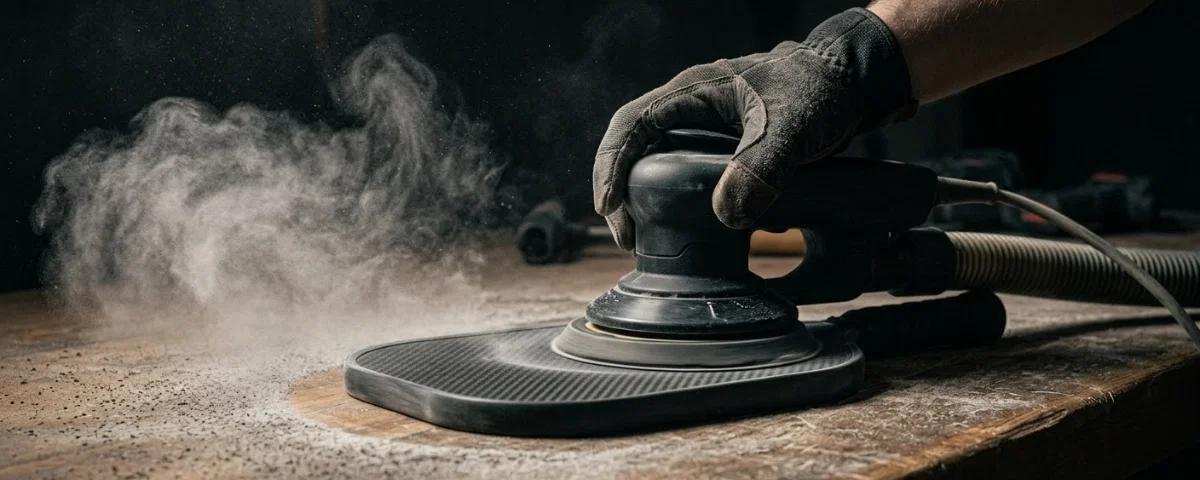
The fact is, this epoxy peel ply was never designed to stand up to repeated impacts. While raw carbon fiber was and is a great spin texture, it's temporary.
For competitive players, this created an unspoken cycle:
Replace the paddle regularly—or accept the dropoff in performance.
Enter Durable Grit Technologies
At its core, spin comes down to friction—the ability of the paddle surface to grip the ball at contact.
Traditional raw carbon fiber achieves this through a molded-in epoxy micro-texture, but that texture gradually smooths out with repeated use.
Durable grit technologies take a different approach. Instead of relying on surface roughness that wears down, they introduce harder materials or engineered surface constructions designed to maintain that friction over time.
There isn’t just one way to build a durable surface—and that’s where things get interesting.
Some brands are embedding extremely hard materials directly into the face. Others are engineering layered textures designed to hold their structure over time.
The current wave of durable grit technologies reflects both approaches:
- Six Zero – Diamond Tough Texture (diamond dust embedded into peel ply)
- Selkirk – Infinigrit (ceramic-infused applied texture)
- Spartus – Permagrit (ceramic composite surface layer)
- 11Six24 – HexGrit (silicon carbide embedded surface)
While these are the early leaders in durable spin texture, the list will expand quickly as more brands recognize the importance of this technology.
Early raw carbon fiber found peak spin. Durable grit prioritized retaining that spin.
Testing from John Kew highlights just how important that distinction is.
In controlled testing, traditional raw carbon fiber showed clear spin degradation after repeated high-speed impacts in the same location, while newer durable textures maintained performance far longer. This clip on his podcast dives deeper into his methodology and results.
Spin Isn’t Just About Shape—It’s About Control
Most players think of spin as the ability to shape shots—to dip drives or roll passing shots at an opponent’s feet.
But one of the biggest advantages is more subtle: Friction gives you margin.
With more grip on the ball, players can close the paddle face and swing without the ball sliding or launching unpredictably.
That confidence opens up more aggressive placement and higher level shots throughout the life of the paddle—something previously only consistent with fresh paddles at the highest levels.
The biggest change isn’t higher spin—it’s more consistent spin over time. That shift fundamentally changes the player experience.
Biggest Benefits of Durable Grit Technology
1. Practice Like You Play
Your paddle performs the same in week four as it did in week one—meaning your training actually translates to competition.
2. Real Value (Beyond Upfront Price)
Players no longer need to replace paddles just because the surface wears out.
The lifespan of performance—not just the paddle—gets longer.
3. Less Reliance on the “New Paddle Advantage”
For years, there’s been an unspoken edge to using a fresh paddle.
Durable grit begins to level that playing field—reducing the advantage of constantly rotating in new gear.
4. A Quiet Sustainability Win
Paddles aren’t easily recyclable, and performance drop-off has historically accelerated replacement cycles.
Longer-lasting surfaces mean fewer paddles discarded—an incremental but meaningful step forward for the sport.
Not All Grit Is Created Equal
One important distinction: not all durable textures are approved across governing bodies.
The USAP uses surface roughness and coefficient of friction testing to limit spin, while the UPA-A tests in-lab spin performance with a ball cannon without directly limiting surface roughness.
This distinction generally allows for more aggressive surface textures under UPA-A approval.
Though most amateur tournaments and leagues allow both UPA-A and USAP approved paddles for competition play, it’s important to check regulations to ensure your paddle will be allowed.
- USAP Only: Spartus P1
- USAP + UPA-A Approved: Selkirk Boomstik & LUXX 2, Six Zero Coral, Black Opal, Ruby Pro
- UPA-A Only: 11Six24 Power 2 Series, Honolulu Crystal Blue Endurance Series
Final Thoughts
Durable grit isn’t just a surface upgrade—it’s part of a broader shift toward longer-lasting performance across the entire paddle.
Foam cores extended the life of the structure.
Durable textures are extending the life of spin.
And together, they’re moving the sport away from short-term peak performance towards fairness, value, and sustainability.
Related articles
Best pickleball paddles for women 2026
Discover our top 7 best picks for every playing style, including pro favorites from Anna Leigh Waters and Anna Bright.
3 days ago
-Hannah Johns
The top 5 paddles for power and forgiveness
These paddles give you real pace on drives and put-aways while staying stable and predictable when you miss the sweet spot.
3 days ago
-Joseph Sutton
.jpg?width=592&height=237&optimizer=image)
Gearbox Pressure X MPP vs. EPP: Which One Should You Play?
Gearbox built two Pressure X paddles on the same core system and frame, then tuned one for a fast release and the other for longer dwell. We played them head to head.
3 days ago
-Joseph Sutton
.jpg?width=592&height=237&optimizer=image)
Which Honolulu Paddle Should You Buy? A Guide to the Lineup
All five of the Honolulu paddles we cover sell for $195, so price won't make the decision for you. We break down the paddles by shape, core, and surface so you can find the one that fits your game.
3 days ago
-Joseph Sutton