
The Six Zero story: From backyard prototypes to the future of pickleball
Dale Young didn’t set out to build a pickleball company.
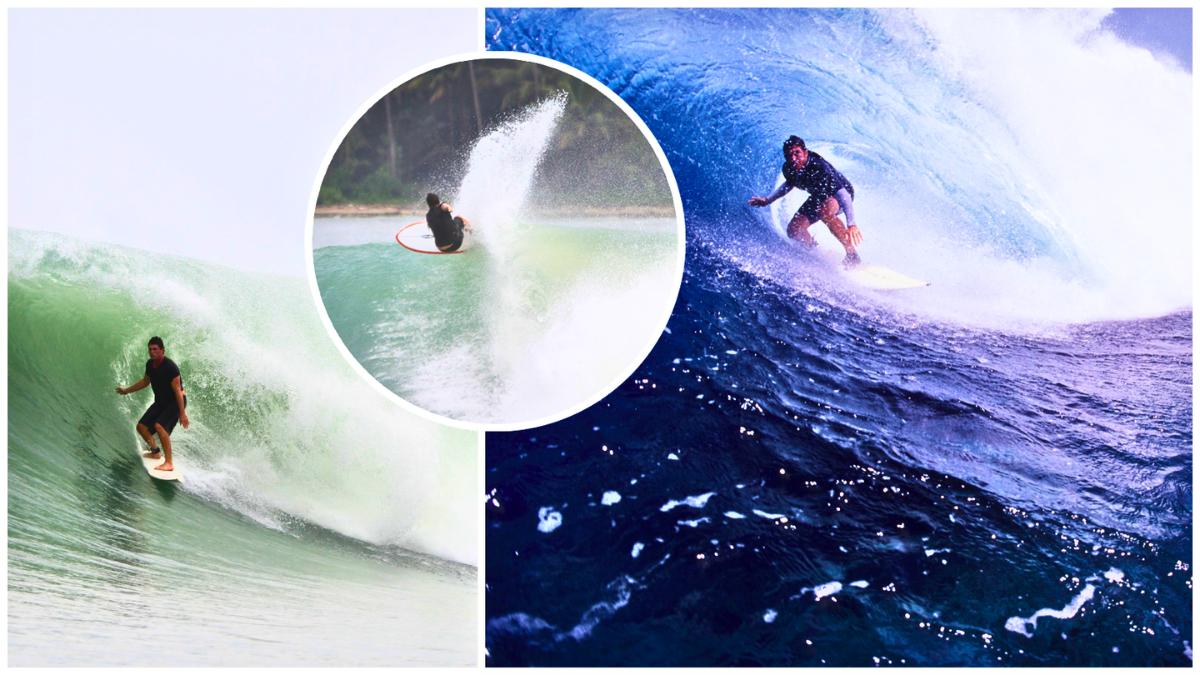
Long before Six Zero, before carbon fiber and aramid fiber faces, before prototypes and patents, his life looked very different. He grew up on Australia’s Sunshine Coast, surrounded by water, sports, and movement. He spent his youth surfing, playing junior tennis, and trying to figure out how things worked.
His natural curiosity is what led him to a career in engineering. But not long after stepping into a corporate job, something felt off.
“I was working in a big high-rise tower… and I just felt a little piece of me dying every day.” Dale says.
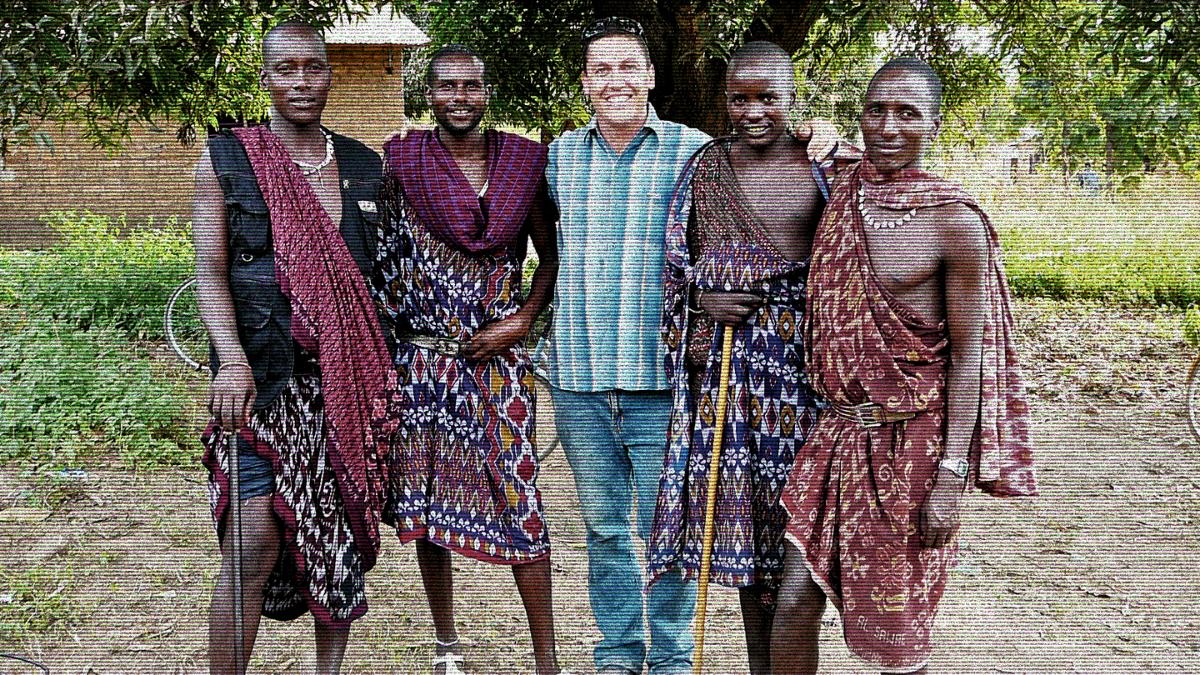
So, when his partner, Tanya, had the opportunity to work in rural Africa, Dale made a decision that would re-shape the rest of his life—he went with her. What was meant to be a short stint turned into ten years living in rural Tanzania. And that’s where the real story begins.
The problem that changed everything
In Tanzania, Dale found himself surrounded by global development efforts in water and sanitation. But something didn’t make sense. Despite decades of work and massive funding, many systems kept failing.
“They were just repeating the same mistakes,” Dale says. “Then came the cholera outbreak,” he continues, “It was in our face… people were dying in large numbers.”
That moment shifted everything for Dale. He stopped observing and started fixing. What he discovered was simple—but critical—no one owned the systems. Water wells were installed, pumps were built, but when they broke, they were never repaired. Something had to change. The model had to change. So, Dale got to work outlining a model that would actually work:
-
Local ownership,
-
Community investment, and
-
Small, sustainable business models.
The result wasn’t just better infrastructure—it was a whole new system that actually worked.
A new chapter
After over 10 years in Tanzania, Dale decided it was time to start a new chapter in his life. He stepped away from his humanitarian relief projects and returned to Australia in 2021. He wanted to slow down, focus on his family, and get back to surfing more. Then, almost by accident, pickleball entered the picture in a huge way.
Dale’s mother kept hassling him to try, what she called, a new sport. By his own telling, he initially thought pickleball was just a game for "oldies." But when he finally stepped onto the court, he was hooked.
At the time, pickleball paddles were predominantly from major U.S. brands and were quite expensive in Australia. Even worse, many of the paddles were not holding up very long. Players were paying premium prices, only to end up with paddles that would crack, break down at the edges, or lose their feel too soon.
What Dale was seeing in pickleball paddles felt eerily familiar to him:
-
Outdated designs
-
Repeated ideas and
-
Very little TRUE innovation
So, for fun, he decided to see if he could build a better pickleball paddle. He ignored the status quo in the market, and he started from scratch.

The backyard experiment
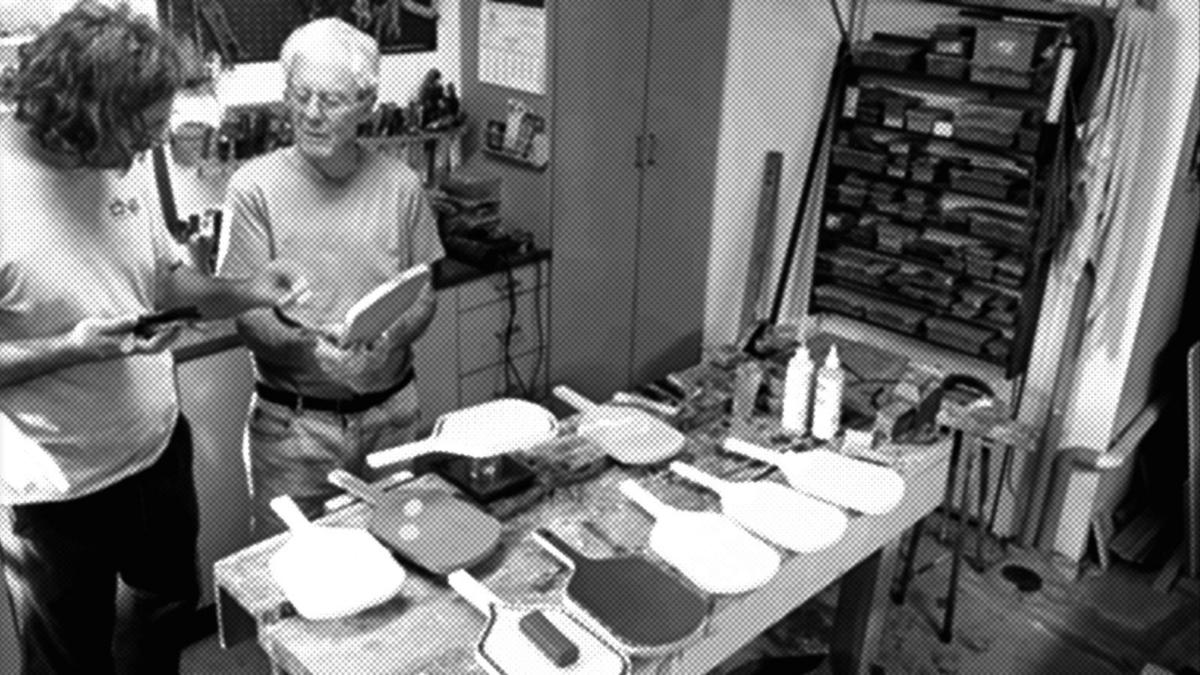
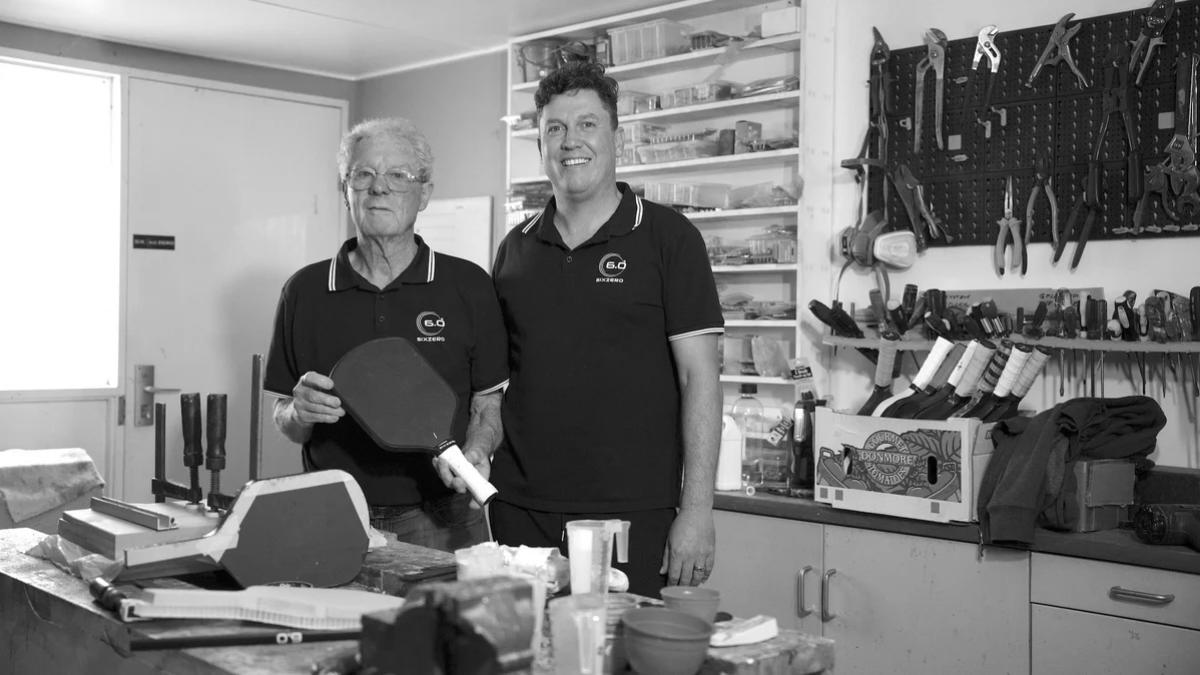
In a backyard workshop, alongside his father Bruce—a builder by trade who still loved working with his hands at 80-years-old—Dale started re-imagining and building pickleball paddles. Not as a company. Not to make money. Just as a little hobby to see if they could make something better.
“I never set out to start a business,” says Dale, “I was just having some fun with my dad in my workshop.”
Together, Dale and his dad built paddle prototypes, tested them at the local courts with friends and family, made changes, then built new prototypes. They did this repeatedly—over and over—with literally hundreds of iterations. Early experiments focused heavily on core materials, including: aluminum, Nomex, and various polypropylene thicknesses.
Over the course of the next 18 months, Dale and his dad probably made well over 100 prototypes together in the backyard workshop. Little did they know, what started out as a curiosity, was about to become something much bigger.
The pickleball paddle that changed the industry
Six Zero wasn’t supposed to happen—at least not the way it did. Dale Young didn’t launch with investors or outside funding. He didn’t build a brand strategy deck—he was just solving problems.
When raw carbon fiber paddles started becoming popular everywhere, players loved the feel and the spin they offered. But they had one major flaw: they tended to crack around the edges and fail structurally after a relatively short period of play.
Most paddles on the market shared the same flaws:
-
Weak edge structures
-
Handles prone to failure
-
Inconsistent performance
So, Dale approached it like an engineer:
-
What’s breaking?
-
Why is it breaking?
-
How do you fix it at the root?
Dale saw an opportunity to apply simple engineering principles to build a paddle that gave players the performance they were looking for while dramatically improving their durability. He designed and built a unibody paddle that extended the carbon paddle face and edge all the way down the full length of the handle. Then, he reinforced the edges to resist cracking and chipping. He also sourced the best materials he could find, including true Japanese Toray Carbon Fiber.
Then, came the breakthrough…
In his backyard workshop, Dale and his dad built a paddle with a carbon seam edge that essentially welded the top and bottom of the paddle together when placed in a special oven. It’s a technique commonly used in bicycle and car parts manufacturing, and it’s known as thermoforming. In his paddles, Dale decided to call it: Carbon Fusion Edge Technology.
The idea didn’t feel revolutionary. Thermoforming itself was not new as a manufacturing concept, but it was certainly new to pickleball paddles.
Dale recalls: “I didn’t think it was that big a deal.”
But it was.
Building a paddle that would last
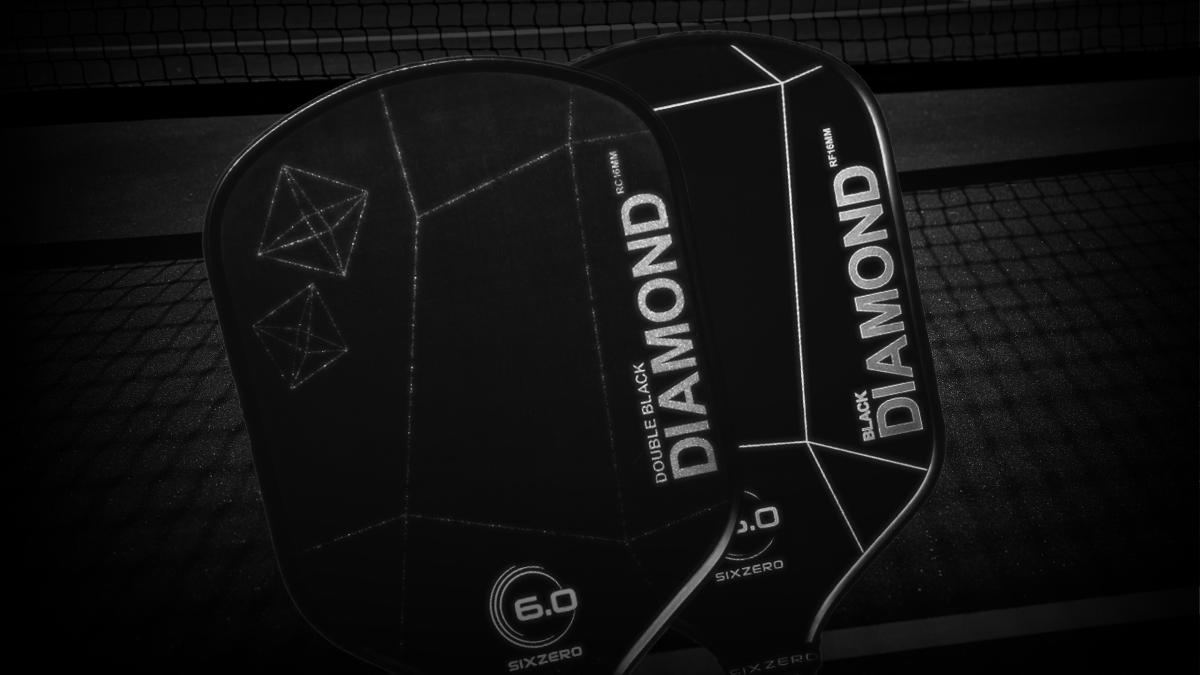
After roughly 18 months of R&D—and hundreds of prototypes—Dale formalized his company and named it Six Zero. The name was a reference to the 6.0 pickleball skill-ranking, representing the highest, pro level skill-level in the sport. With his newly formed company, Dale introduced the first ever Gen 2, thermoformed pickleball paddles to the market—the Black Diamond and Double Black Diamond Pickleball Paddles.
The Black Diamond featured a first-to-market raw fiberglass paddle face in pickleball, which created a lively, responsive feel with a strong blend of pop, power, and dwell time for spin. The Carbon Fusion Edge Technology made the paddle more durable and gave it a stiffer, and more connected feel compared to other paddles on the market.
The Double Black Diamond featured the increasingly popular raw carbon fiber face, giving players the controlled response, spin potential, and precision that were becoming increasingly desirable in performance paddles. It also was built with Carbon Fusion Edge Technology delivering a more stable feel, structural integrity, and a level of consistency that set it apart from other raw carbon fiber paddles in the market.
The “Rocket Ship” moment
At first, sales were slow. Early adoption in Australia was promising, but it wasn’t until the U.S. market discovered Six Zero that demand began to accelerate quickly. Paddle reviewers in the U.S. got their hands on the paddles, gave glowing reviews, and the market paid attention. Suddenly, as Dale recounts: “It went off like a rocket ship.”
Demand for Six Zero’s paddles surged through rapid word-of-mouth. Players everywhere were responding to paddles that felt meaningly different from what they had been using before. There was no massive marketing campaign, just paddles that played better and didn’t break down.
Then the copycats came.
As quickly as Six Zero rose, the industry followed. Within just a few, short months, thermoformed paddles started to appear everywhere. It became the standard. Reinforced edges became the expectation.
Dale had unintentionally reshaped the industry, and he had not filed a single patent to protect what he had created. It was a hard lesson to learn and it stung.
As pickleball’s popularity continued to grow, new paddle companies were popping up everywhere—most of them introducing thermoformed paddles. Today, the pickleball paddle market is crowded. As Dale puts it, “there’s a thousand paddle companies out there now… and everyone’s copying.”
The fact is: most paddle companies source their paddles overseas from the same factories. Technologies are shared and copied, and brands just make simple changes to the designs and compete on branding and marketing alone.
With so many similar options available in the market, demand for Six Zero’s paddles slowed and Dale had to decide what he was going to do next.
The process becomes the advantage
Instead of giving up, Dale doubled down and focused on the system he had followed to create his first paddles.
“If we stop innovating,” he thought, “we become irrelevant.”
He got back to work building new prototypes, isolating variables, testing—both internally, and on the court—and refining incrementally.
“It’s not about one single breakthrough,” Dale said, “it’s about building a machine for innovation.”
Going deeper: The Ruby
Six Zero pushed further into surface textures (peel ply, weave patterns, etc.), material science (carbon fibers vs. aramid fibers), and more structural engineering. After dozens of additional iterations and prototypes, Six Zero released its next paddle: The Ruby.
If the Black Diamond and Double Black Diamond gave Six Zero credibility, the Ruby gave them momentum.
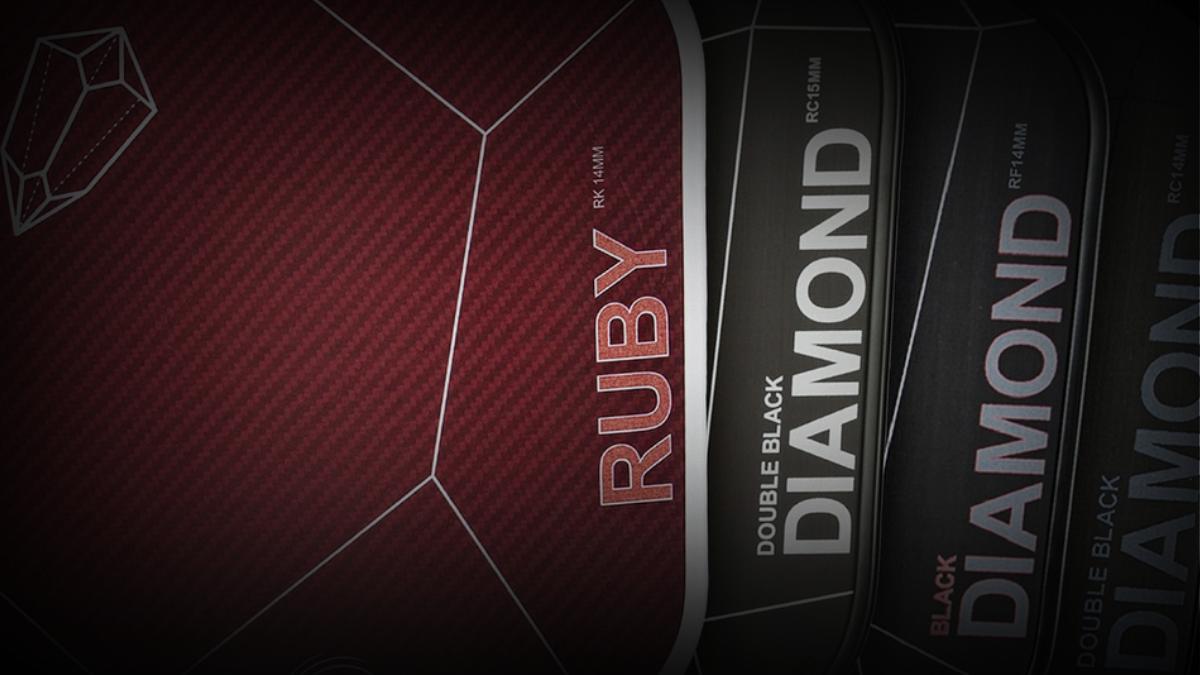
The Ruby did not stand out because of one single feature. It stood out because multiple design choices came together in a way that felt new—and special—to players.
-
The eye-catching, red aramid fiber face was a distinctive material choice that helped create a unique blend of feel, control, power, and unbelievable spin. Plus, it looked so different from all other performance paddles on the market.
-
The aerodynamic, flared shape gave the paddle maneuverability and increased swing speed.
-
The Carbon Fusion Edge Technology gave the paddle the stability and durability that Six Zero’s paddles were now well-known for.
For many pickleball players, the Ruby was the paddle that made Six Zero impossible to ignore. It felt refined, modern, and purpose-built—rather than trend-driven. While other paddle brands were struggling with crushing cores, the Ruby was durable, and above all, it felt and played amazing!
Six Zero initially struggled to meet early demand for the Ruby. Demand was so high that they would sell out within minutes of receiving new inventory from the factory and listing it online. The scarcity only made players want the Ruby even more!
Six Zero ramped up capacity at the factory and the Ruby became one of the top-selling paddles in the market. Players continued buying the Ruby while other brands released multiple new models in rapid succession. The Ruby was reliable, and that mattered to players.
When Pickleball Central—the oldest, largest and most trusted retailer in pickleball—started carrying Six Zero’s paddles, it gave the brand an additional boost of credibility and further solidified Six Zero as a legit and reputable brand.
Again, Six Zero created something new and special, the market reacted, and other brands followed. In no time, paddles with aramid fiber, or other metallic surfaces, started appearing everywhere.
What’s next?
Over time, performance pickleball paddle technologies continued to evolve. As pro players and recreational players everywhere began craving more power and more speed, brands started to lean into new, “Gen 3” technology with foam perimeters. While certainly more powerful, these paddles had glaring durability concerns. They were also much more expensive to produce, so paddle prices began to skyrocket. It wasn’t uncommon for players to invest over $250 in new paddles. Six Zero could have followed the Gen 3 trend, but that is not how they operate. Instead, Dale went back to what he knew: design, prototype, test, and repeat. He was working on his Next Gem paddles.
In the meantime, Dale made the strategic decision to invest in sponsoring several top pro players, as well as the Professional Pickleball Association. The intent was to show how his paddles could compete at the highest level, and to generate additional awareness for the brand. It was a risky move since the investment was substantial.

All the while, players and reviewers everywhere were wondering: “What will Six Zero come out with next—and when?”
Next level engineering
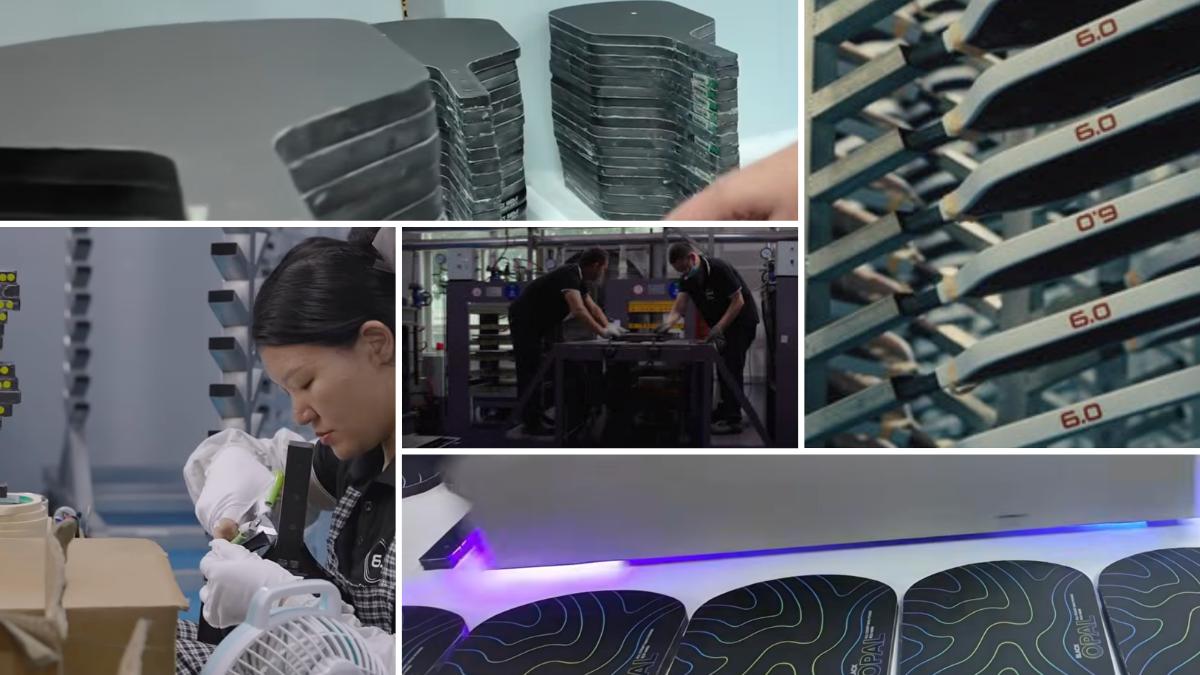
While Six Zero had already developed a first-of-its-kind, integrated lab and workshop in Australia to create rapid prototypes, Dale was concerned that the quality of mass-produced versions would suffer from shortcuts and workarounds at the factory level. So, he started spending a significant amount of his time on the factory floor at the manufacturer overseas. Over the next several months, he made more than twenty trips to the factory and worked hand-in-hand with them to ensure every paddle that came off the line met the highest quality standards possible.
His new paddle concepts required processes and tools that didn’t exist anywhere else, so Six Zero worked with their manufacturer to design and build new machines from scratch. Custom jigs eventually became advanced robotic systems which required workers to learn all-new skillsets—all in the pursuit of greater precision, consistency, and scalability.
A pickleball court was constructed on the roof of the factory so on-court feedback could be gathered quickly and combined with lab-grade measurements inside. Then, AI systems took all the data and analyzed it to inform the next iterations.

Every prototype was pushed to its limits. Thousands of data points were collected—measuring deflection, swing weight, twist weight, and core performance. Durability was tested aggressively, with machines firing over a thousand balls, at speeds up to 100mph, at the paddles to see if they would hold up under real pressure. The goal was simple: maximize performance right up to the legal limit, without sacrificing longevity.
Something powerful started to emerge: a living archive of over 1,000 paddle prototypes. Each prototype became a data point. A lesson. A step forward.
Quality assurance and control were embedded at every stage of production. Each station in the factory would perform its own checks, and every single paddle was inspected, verified, and tested before it was deemed ready.
The Next Gem era
With lessons learned from his previous releases, Dale made sure to apply for patents on each of his new technologies.
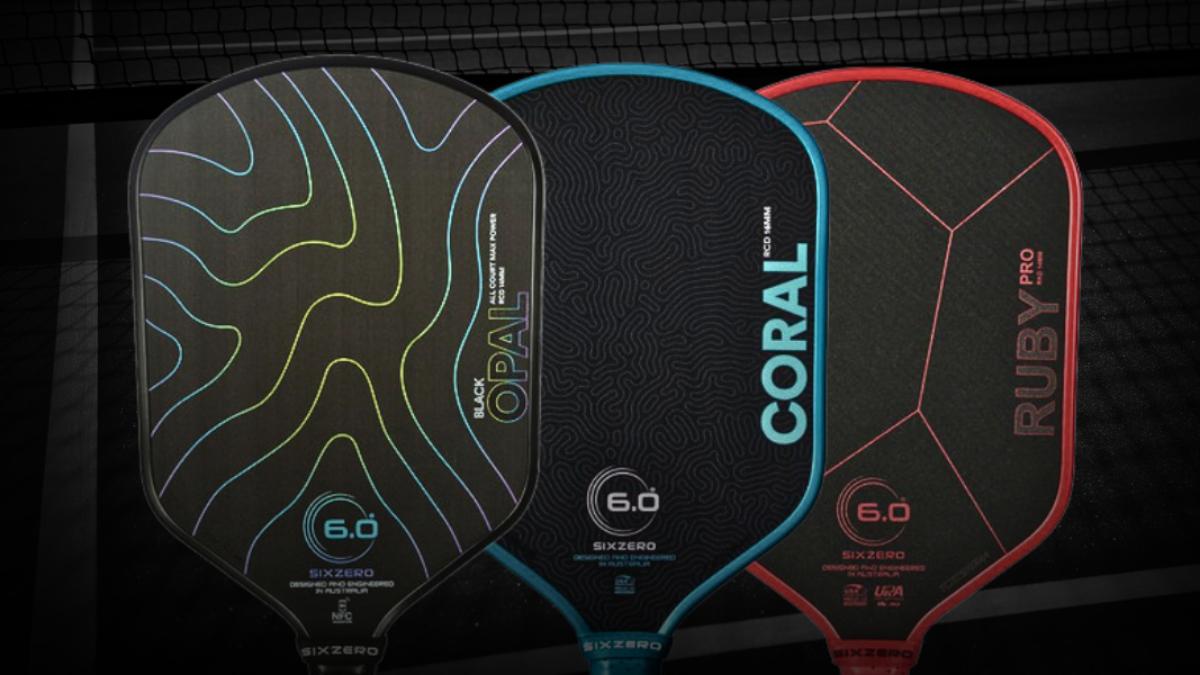
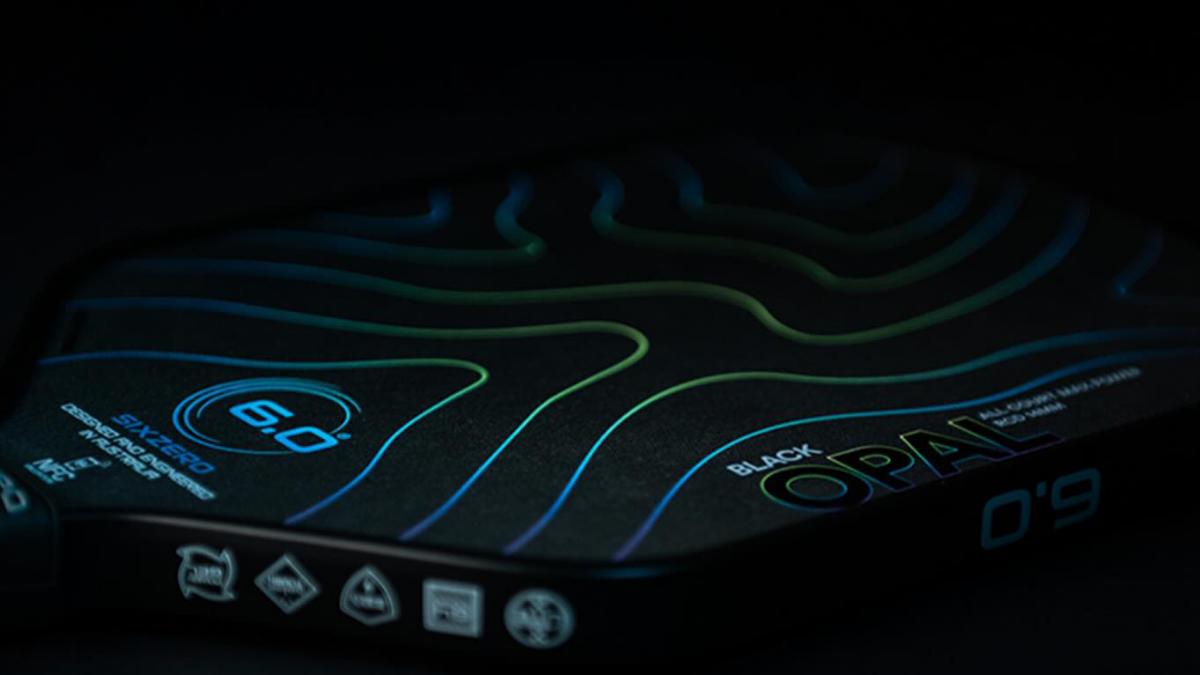
In the latter part of 2025, Six Zero released their Next Gem Paddles (the Black Opal, the Coral, and the Ruby Pro). The new paddles featured patented—or patent-pending—technologies which included advanced core materials, multi-layer constructions, and refined energy transfer systems.
“It’s no longer just about materials,” says Dale “It’s about how the entire paddle behaves as a system.”
Diamond Tough Surface
All three paddles in the Next Gem family feature Six Zero’s patented-pending Diamond Tough surface. Infused with real diamond particles, this next-generation face material dramatically extends the life of the paddle’s texture, ensuring elite spin capabilities match-after-match.
Power Gel: Innovative Layer Technology
Also included with all three paddles is Six Zero’s proprietary Power Gel layer—a custom-developed gel layer below the paddle face that maximizes both pop and power.
Shock Shield Handle Technology
Each paddle in the Next Gem family also features Six Zero’s Shock Shield—a patent-pending silicon injection system built directly into the handle of the paddle. Designed to dampen vibration and improve connection between paddle and ball.
FlexTech 45 Technology
The Ruby Pro features Six Zero’s FlexTech 45, which improves dwell time and spin by offsetting the weave pattern of the face by 45 degrees. The result is greater precision, extended ball interaction, and a more responsive feel across all shot types.
12 Gauge Premium Core
The Ruby Pro also features a custom-designed 12 Gauge polypropylene core, with an oversized 12mm cell size, for increased dwell time and superior control.
G4 Aerospace Solid Foam Core
The Black Opal features Six Zero’s proprietary G4 Aerospace Foam Core—a floating solid construction core that optimizes energy transfer and creates a highly responsive sweet spot.
Tectonic Core Suspension System
The Coral boasts Six Zero’s patented Tectonic Core Suspension System, which integrates an advanced floating core within a precision-tuned suspension structure. This system adapts on impact and optimizes energy transfer to create both smooth control and clean, efficient power.
Innovation—within the lines
Despite pushing boundaries, Dale remains grounded in one principle: “At Six Zero, we innovate within the lines.” The goal isn’t to break the game, it’s to improve it. Even as Six Zero grows globally, the core philosophy hasn’t changed. It’s still, engineering-first, iteration-driven, and curiosity-led.
“This is still a backyard operation,” says Dale “and we’re trying to take it to the big guys!”
What comes next
Six Zero isn’t finished. Dale is still prototyping, testing, working with engineers, and exploring new manufacturing methods. True to his nature, he continues to ask: “What can be done better?”
Final thoughts
From Africa, to pickleball; from thermoforming, to Diamond Tough; the story hasn’t changed one bit. Dale Young doesn’t chase markets—he finds problems… and fixes them.
Six Zero did not start as a company chasing a quick profit. It started as a curiosity. And as long as that curiosity remains, the next Six Zero innovation is already in progress.