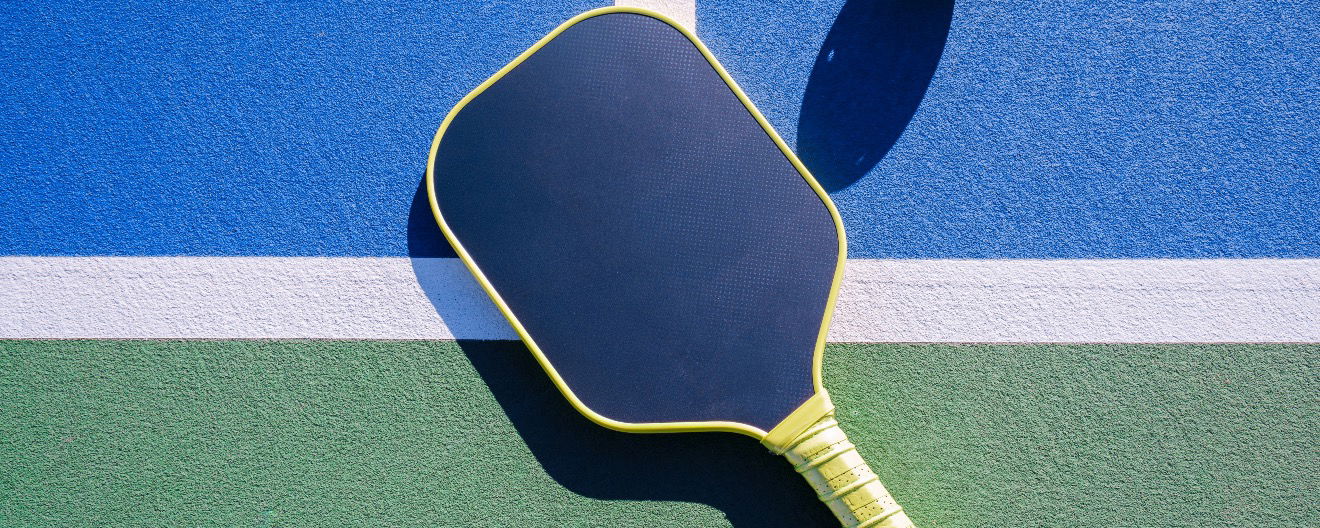
UPA paddle testing protocols are second to none
Jim Kloss
Jan 20 2026 2:30 PM ET
2
Paddle testing for UPA events, which include all MLP and PPA events, is conducted by Pickle Pro Labs (“PPL”). PPL conducts both paddle approval testing, which is done to certify a new paddle model, and on-site testing at pro tournaments. At the recent Carvana PPA Masters tournament, I had a chance to sit down with Gary Brody, founder of PPL, to talk about their testing protocols and to review their on-site testing of pro paddles at the event. What became very clear was that PPL is setting the highest standards in the industry for paddle approval.
PPL performs two basic types of paddle testing. First, there is the testing at their home lab of a new type of paddle submitted by a manufacturer, seeking to have their paddle approved for general use, i.e., to get the UPA-approved stamp. Manufacturers submit multiple copies of a new prototype paddle. The paddles submitted must be the same as what will be mass produced for the public. The paddles undergo lab testing, which involves several different types of tests. These tests measure power, deflection, spin rates, and paddle durability. The PEF Scan measures the power of the paddle; the ADF test measures durability and resilience; and spin rate testing obviously measures how much the paddle can spin the ball.
During the lab stage, PPL will conduct artificial break-in testing to measure how the paddle will perform as it is used. This type of testing replicates how the paddle acts after different amounts of use. Many paddles perform one way when new, but another way after use. It is very important to sift out paddles that may conform when new, but quickly go out of spec during even moderate use.
For a paddle to be UPA approved, it must pass all of the tests. Failing any one test means that the paddle is not approved for play.
USA Pickleball conducts their own lab testing of new paddles, providing their own, separate certification. But UPA’s testing, through PPL, is much tougher than USAP testing. USAP does not conduct as many different tests as PPL, such as the artificial break-in testing. Further, the standards set by PPL for UPA are stricter than the USAP standards. As a result, over 40% of the paddles that achieve USAP approval fail to gain UPA approval. Paddles have gotten a lot more powerful over the years, especially in the last couple of years. UPA, through Pickle Pro Labs, is setting the highest and toughest standards for paddle approval.
Paddles are also tested by PPL at UPA events. For example, at a PPA tournament, beginning with the Round of 32 matches, pros must submit all paddles for on-site testing. PPL conducts deflection testing, designed to make sure paddles are not “too hot” for play. Thus, even if a paddle line has previously been approved, the specific paddle to be used at the tournament must still pass on-site testing to be allowed for play. Any paddle failing the on-site testing is taken out of play and cannot be used.
Paddles can make a big difference to your game, whether you are a 3.5 or a pro. Trying out the latest and greatest paddle is a lot of fun. But, the sport has to have limits on power and spin. Pickle Pro Labs and the UPA are setting the standard on what paddles should be allowed for use. Look for the UPA stamp of approval on your next paddle.
Follow me on X @pickleball_jim.
Related articles
20 things pros wish they knew earlier in pickleball
These quick tips can help you level up your game fast.
20 days ago
-Victoria Radnothy
Which JOOLA paddle is right for you? Your complete buying guide
Choosing the perfect paddle can feel overwhelming, but the experts at Pickleball Central make it a whole lot easier.
23 days ago
-Victoria Radnothy
The best pickleball ball machines to elevate your game
It's a simple way to improve on the court.
24 days ago
-Victoria Radnothy
Anna Leigh Waters teases mystery “?” Franklin paddle
This paddle is currently making the rounds on the PPA Tour.
29 days ago
-Victoria Radnothy