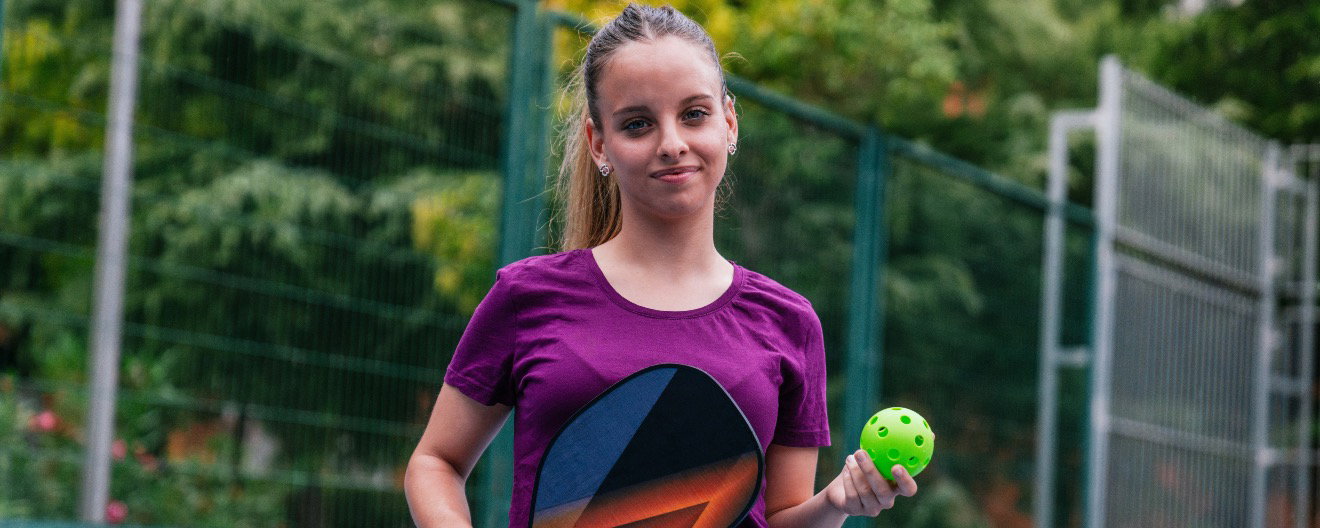
How to recover between matches in a pickleball tournament
Tournament play places very different demands on the body than a single exercise session or recreational match. Multiple bouts of high-intensity play, short recovery windows, high-stakes stress, and environmental factors all compete for the same recovery resources. How you recover between matches, whether you have 30 minutes or overnight, directly affects performance, injury risk, and consistency as the tournament progresses.
Between-match recovery is not about full restoration. It is about restoring enough capacity—physically and neurologically—to perform again with quality.
"When matches are closely stacked, incomplete recovery compounds fatigue throughout the day."
What Makes Tournament Recovery Different?
Each match drains glycogen stores—the stored carbohydrate in your muscles that fuels high-intensity movement—creates microdamage in muscle tissue, and challenges the nervous system. When matches are closely stacked, incomplete recovery compounds fatigue throughout the day.
The goal between matches is to:
-
Replenish fuel and fluids
-
Support circulation and tissue repair
-
Calm the nervous system
-
Preserve readiness for the next effort
This applies whether you are preparing for another match in two hours or returning to the court the next morning.
Hydration: The First Priority After Every Match
Hydration status strongly influences muscle damage, muscle protein synthesis, and nervous system recovery. Research shows that adequate hydration reduces markers of muscle damage and enhances post-exercise recovery processes (1, 2).
Between matches, hydration supports plasma volume restoration and nutrient delivery to working muscles. It also speeds the return of heart rate variability—a marker of nervous system recovery—helping you feel calm, focused, and ready for the next match (3, 4).
Same-day focus
-
Begin fluid intake immediately after match play
-
Include electrolytes if sweat loss is high
-
Sip consistently rather than consuming large volumes at once
Overnight focus
-
Continue rehydrating through the evening
-
Pair fluids with meals to improve retention
Nutrition: Rebuild Energy for the Next Match
Tournament play rapidly depletes glycogen, particularly during longer or more intense matches. Carbohydrate intake between matches is critical when another match is scheduled within the next 12 hours.
Protein supports muscle repair by stimulating muscle protein synthesis, the process responsible for repairing microdamage created during play. While total daily protein intake matters most, post-match protein intake supports recovery when match density is high.
Same-day focus
-
Prioritize easily digestible carbohydrates
-
Combine carbohydrates with moderate protein
-
Avoid heavy, high-fat meals that delay gastric emptying
Overnight focus
-
Consume a balanced dinner with sufficient carbohydrates and protein
-
Ensure total daily protein intake reaches ~1.2–1.6 g/kg/day (5, 6)
"Short cooldowns help bring your heart rate down, restore blood flow, and support nervous system recovery."
Cooldowns and Movement: Restore Circulation Without Fatigue
Abruptly stopping after a match can leave muscles stiff and circulation reduced. Light movement following play supports blood flow and helps clear metabolic byproducts without adding stress.
Short cooldowns—such as walking, easy cycling, light mobility work, or brief foam rolling—help bring your heart rate down, restore blood flow, and support nervous system recovery. These small resets become especially important when multiple matches stack up on the same day.
Same-day focus
-
5–10 minutes of low-intensity movement
-
Gentle mobility for hips, calves, shoulders, and thoracic spine
Overnight focus
-
Light movement later in the day to prevent stiffness
-
Avoid aggressive stretching late at night
Compression and Blood-Flow Strategies Between Matches
Compression increases venous return and local blood flow, delivering oxygen and nutrients to fatigued tissues. Compression garments have been shown to increase muscle blood flow by more than 200% (7).
While performance outcomes are mixed (8), compression consistently reduces perceived soreness and discomfort. Intermittent pneumatic compression has also been shown to improve pain tolerance following intense exercise (9).
Application
-
Use compression garments or boots for 15–30 minutes post-match
-
Elevate legs during rest periods when possible
Reducing soreness can help maintain movement quality and readiness across matches.
Sleep: The Deciding Factor for Overnight Recovery
Sleep is where the most meaningful recovery occurs. Growth hormone and insulin-like growth factor-1 released during sleep support muscle repair and adaptation (10, 11).
Sleep restriction slows muscle recovery, disrupts autonomic balance, and increases injury risk. Athletes sleeping fewer than eight hours show significantly higher injury rates (12), and even one night of partial sleep deprivation impairs recovery from exercise (13).
Overnight focus
-
Aim for 7–9 hours of sleep
-
Maintain a consistent sleep schedule even during tournaments
-
Reduce late-night stimulation and screen exposure
Short daytime naps (20–30 minutes) may improve alertness and recovery when sleep is limited (14).
Cold and Heat: Strategic Use During Tournaments
Cold exposure can reduce soreness and pain perception and help restore power when sleep is limited (Moore). However, frequent cold water immersion immediately after resistance-based training may blunt muscle protein synthesis (15).
Heat exposure, such as sauna or warm baths, supports nervous system relaxation, improves sleep quality, and promotes cardiovascular health. Regular sauna users report improved sleep for up to two days following exposure (16).
Tournament guidance
-
Use cold strategically for soreness or pain relief, not after every match
-
Use heat later in the day or evening to promote relaxation and sleep
Putting It All Together: A Between-Match Recovery Framework
After every match
-
Hydrate immediately
-
Consume carbohydrates and protein
-
Perform light movement or cooldown
-
Use compression or leg elevation
Overnight
-
Eat a balanced, recovery-focused dinner
-
Rehydrate consistently
-
Use heat or relaxation strategies if helpful
-
Prioritize sleep quality and duration
Key Takeaway
Tournament recovery is about managing limited recovery windows, not eliminating fatigue. Hydration, nutrition, movement, compression, and sleep each support different recovery systems. When applied strategically, these tools help preserve performance, reduce injury risk, and allow you to show up for each match with greater consistency—whether the next match is in an hour or the next morning.
Learn How to Recover and Perform at Your Best
Ready to recover smarter and play stronger? Download AIM7 for free today or dive deeper into pickleball recovery and performance with these resources:
• Learn The 3-Step Mental Reset
• Pickleball Conditiong: Increase Speed & Endurance
• Post Pickleball Cooldown Routines
Your body will feel the difference and your next match will show it.
Dr. Susie Reiner is an assistant professor of Exercise and Sport Science at Seton Hall University and an applied research scientist focused on human performance and digital health. She holds a PhD in Health Sciences with a specialization in Human and Sport Performance and completed postdoctoral training at the University of Kentucky’s Sports Medicine Research Institute. She consults with sport tech, wellness, and healthcare companies on research strategy and science-driven content. Her work centers on translating complex science into clear, practical insights for real-world use.
Related articles
Five tips to improve your pickleball game quickly
Dr. Michael Oakson shares advice on ready position, kitchen line defense, serve returns, counterattacks, and targeting opponents’ weaknesses.
3 hours ago
-Pickleball.com Staff
Gabe Tardio embraced the right side
It helped the 21-year-old reach the top of men’s doubles.
2 days ago
-Victoria Radnothy
Five pickleball tips to improve your game from beginner to 4.0
Coach Jess breaks down concepts that can help players win more points, improve consistency, and avoid common mistakes on the court.
6 days ago
-Pickleball.com Staff
.png?width=592&height=237&optimizer=image)
Five ways to elevate your dink game like a pro
These strategies can help you make smarter decisions and gain the upper hand in kitchen line battles.
12 days ago
-Pickleball.com Staff