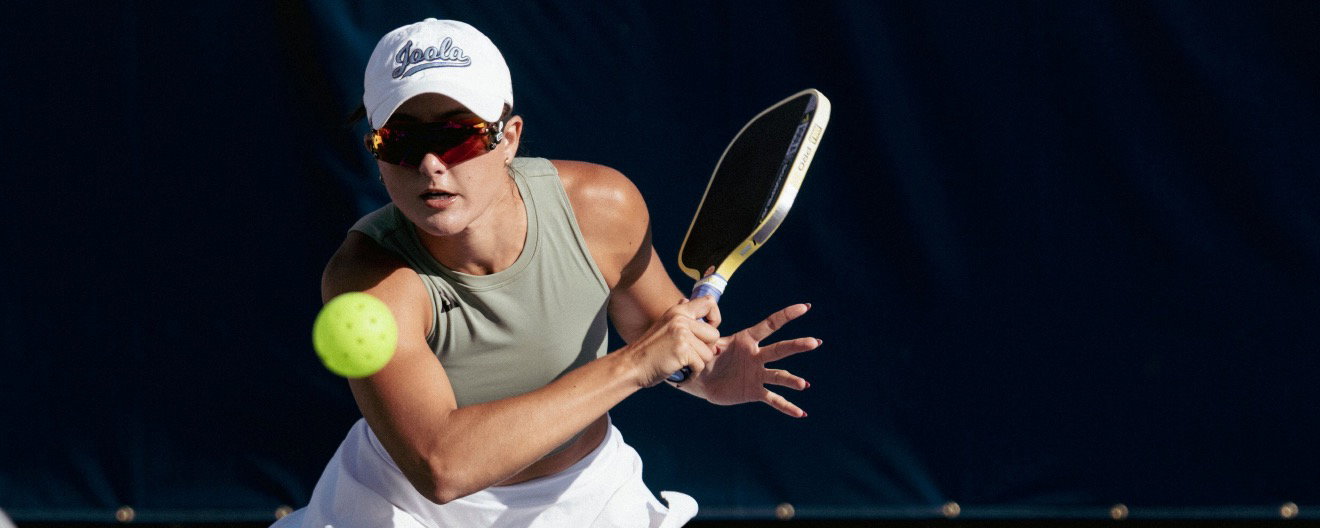
Anna Bright’s favorite pickleball drills: The ultimate guide to three-person training
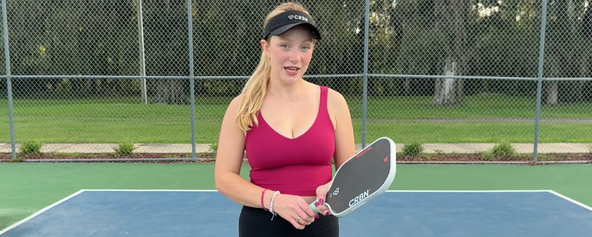
Anna Bright is widely recognized as one of the top players in professional pickleball, and in her latest YouTube training session, she shares some of her favorite drills for improving consistency, anticipation, ball control, and offensive strategy.
These drills focus heavily on three-person pickleball drilling, a practice format that many advanced players use to simulate realistic gameplay while maximizing repetitions and touches.
For players looking to improve their dinking, speed-ups, resets, and court awareness, Bright’s training methods offer a highly effective roadmap. Whether you’re a beginner trying to become more consistent or an advanced player preparing for tournament play, these drills can elevate your game.
Why three-person pickleball drills matter
According to Bright, traditional two-person drilling is excellent for maintenance and repetition, but it often lacks the unpredictability and pressure of real match play. Three-person drilling changes that dynamic completely.
By adding a third player, drills become:
-
More realistic
-
Faster paced
-
Strategically challenging
-
Better for anticipation training
-
Ideal for practicing offensive and defensive transitions
Three-person drills also allow one player to work independently against two opponents, creating intense repetitions that sharpen reflexes, movement, and shot selection.
For competitive pickleball players, this type of training closely mirrors actual doubles play while providing significantly more ball contacts than recreational games.
Drill #1: No speed-ups dinking drill
The first drill Bright demonstrates is a three-person dinking drill with no speed-ups allowed. The primary goal is consistency, control, and intelligent ball placement.
Objective of the drill
In this setup:
-
One player stands alone on one side
-
Two players share the opposite side
-
All players may only dink
-
No speed-ups are permitted
-
ATPs (Around the Posts) and Ernes are still allowed
This drill forces players to focus on patience, accuracy, and movement rather than relying on power.
Key skills developed
Bright emphasizes several critical concepts during this drill:
1. Ball movement
Players should avoid becoming “chronic crosscourt dinkers.” Instead of repeatedly hitting to the same spot, players should:
-
Move opponents side to side
-
Attack feet placement
-
Use middle shots strategically
-
Target uncomfortable positions
The goal is to make opponents feel unstable and pressured.
2. Offensive anticipation
Although there are no speed-ups, players must still anticipate aggressive opportunities. Reading body positioning and preparing early becomes essential.
3. Taking balls out of the air
Volleying dinks whenever possible helps players:
-
Maintain offensive positioning
-
Reduce opponents’ recovery time
-
Increase court pressure
This is a foundational skill for higher-level pickleball.
Why longer rallies are important
One of Bright’s best coaching insights is that longer rallies indicate improvement.
As players become more consistent:
-
Errors decrease
-
Shot quality improves
-
Patience increases
-
Court awareness develops
Bright even recommends timing rallies to track progress. If drills are lasting longer over time, your consistency and control are improving.
This concept is especially valuable for tournament players who struggle with unforced errors during extended dink exchanges.
Drill #2: One player controls the speed-ups
The second drill introduces offensive aggression in a controlled way.
In this variation:
-
Only the solo player may speed up the ball
-
The two opponents can only dink and defend
-
The solo player has complete offensive freedom
This creates an excellent environment for learning decision-making under pressure.
How this drill improves pickleball strategy
This drill teaches advanced tactical awareness because the solo player must decide:
-
When to attack
-
Where to attack
-
Whether the speed-up is justified
-
How to disguise intentions
Bright specifically mentions using “holds” and deception to freeze opponents before attacking.
Benefits of controlled speed-up drills
This drill improves:
-
Offensive shot selection
-
Counterattack preparation
-
Hand speed
-
Reaction timing
-
Pressure management
For intermediate and advanced players, this is one of the most effective ways to practice aggressive kitchen-line play without turning every rally into chaos.
Learning to speed up the right ball
One of the biggest mistakes recreational pickleball players make is speeding up low-quality balls.
Bright’s drill naturally teaches restraint.
Players learn to recognize:
-
Attackable balls
-
Defensive balls
-
Neutral balls
-
High-risk situations
This awareness is critical for advancing beyond beginner and intermediate skill levels.
Drill #3: Anything goes competitive drill
The final variation is the most game-like and competitive.
In this version:
-
Anyone may speed up the ball
-
Volleys and counters are unrestricted
-
Fast hands become essential
-
Realistic point construction develops
Bright notes that players can choose between:
-
Full freedom (speed-ups off bounce or in the air)
-
Aerial-only speed-ups
Both formats help simulate tournament intensity and real doubles exchanges.
Why this drill simulates real match play
This advanced three-person drill develops:
-
Countering ability
-
Defensive resets
-
Transition play
-
Reflex speed
-
Shot recognition
Because players can attack at any moment, anticipation and readiness become critical.
This drill is especially effective for preparing players for:
-
Tournament play
-
High-level rec games
-
DUPR improvement
-
Fast-paced doubles competition
The importance of fun in pickleball drilling
One of Bright’s biggest messages is that drilling does not have to feel boring.
Many players avoid practice because they think drilling lacks excitement. However, three-person drills create:
-
Competitive rallies
-
Fast exchanges
-
Strategic variety
-
Continuous movement
These drills are ideal when a fourth player cancels or when groups want productive training without needing a full doubles setup.
Why Bright’s drills work so well
Bright’s approach combines several modern pickleball training principles:
-
High repetition volume
-
Realistic gameplay simulation
-
Tactical awareness
-
Progressive difficulty
-
Pressure-based decision-making
Rather than practicing isolated shots with no context, these drills train players to think strategically while executing technically sound shots.
That combination is what separates average players from elite competitors.
Final thoughts on three-person pickleball drills
Bright’s favorite pickleball drills offer a powerful framework for improving every major aspect of the game. From dinking consistency and offensive anticipation to speed-up timing and defensive countering, these three-person exercises create one of the most efficient practice environments available in pickleball.
Players who consistently implement these drills can expect improvements in:
-
Kitchen control
-
Shot selection
-
Court movement
-
Reaction speed
-
Match confidence
-
Overall consistency
Most importantly, these drills make practice engaging, competitive, and highly productive.
As pickleball continues to grow, structured drilling systems like the ones Bright demonstrates are becoming essential for players who want to compete at a higher level and develop smarter on-court habits.
To keep up to date on all things pickleball, follow us on Instagram.
Related articles
The pros are going on the best side quests in Asia
From celebrating fake birthdays to ancient Chinese rituals, the pros are having a lot of fun abroad.
3 days ago
-Victoria Radnothy
What makes Ben Johns so good at pickleball?
Zane Navratil breaks down the G.O.A.T.'s game to identify exactly what makes Ben Johns so tough to beat.
3 days ago
-Pickleball.com Staff
Who is Elliott Schupp? The next up-and-comer pickleball athlete you need to watch
He just won his first title on the PPA Tour, here's how he got there.
5 days ago
-Victoria Radnothy
Five ways to add power and consistency to your pickleball drives
Ashley Griffith explains how better spacing, body rotation and topspin can help players attack with confidence without sacrificing control.
6 days ago
-Pickleball.com Staff