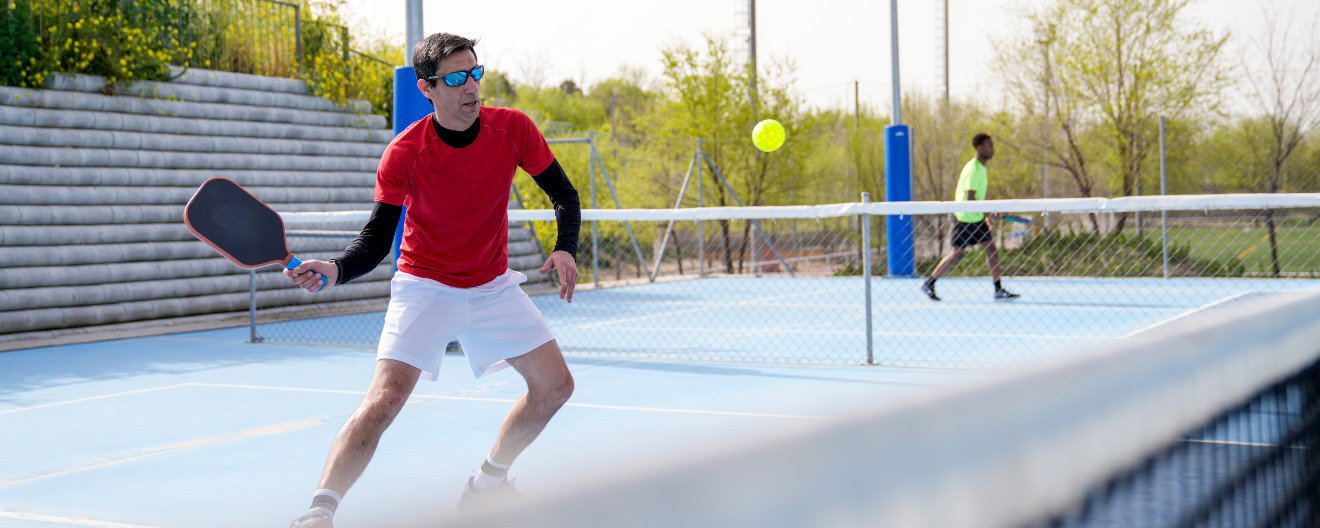
Pickleball IQ: Five strategies players are using to win more points
As pickleball continues to grow across the United States, players at every level are spending hours working on technique. From dialing in the perfect third shot drop to refining dinks and backhand mechanics, the focus has largely been on execution.
However, many players are beginning to realize that winning more matches is not just about better shots. It is about better decisions. This concept, often referred to as “pickleball IQ,” is quickly becoming one of the most important factors in improving performance.
Pickleball IQ refers to a player’s ability to read the game, anticipate outcomes, and make smarter choices during rallies. Unlike physical skill, it does not require elite athleticism. Instead, it comes down to awareness, strategy, and pattern recognition.
The Pickleball Dude recently identified five key pickleball strategies that high-IQ players are using to consistently win more points.
1. Hitting to the middle creates immediate advantages
One of the simplest yet most effective strategies in pickleball is aiming for the middle of the court, especially in doubles play.
The middle offers several built-in advantages. It is the lowest part of the net, giving players a greater margin for error. It also forces hesitation between opponents, as both players must quickly decide who will take the shot. That split-second confusion often leads to mistakes.
Additionally, hitting to the middle limits sharp angles, making it harder for opponents to create offensive opportunities.
While it may not feel aggressive, targeting the middle is one of the smartest and most consistent plays in pickleball.
2. Targeting weaknesses wins more rallies
Another key element of pickleball IQ is shifting focus from your own shot to your opponent’s next shot.
Instead of asking, “Where should I hit this?” smart players ask, “What shot do I want them to hit?”
For many players, the backhand is less reliable than the forehand, making it a common target. In doubles, directing shots toward the weaker player or someone who is out of position can quickly tilt the rally in your favor.
By consistently forcing opponents into uncomfortable situations, players can generate errors without taking unnecessary risks.
3. Changing the pace disrupts rhythm
Rallies in pickleball often fall into predictable patterns, especially during extended dink exchanges or fast-paced drives. When opponents find a rhythm, they become more confident and begin anticipating shots.
High-IQ players actively disrupt this rhythm by changing the speed of the ball.
This might mean speeding up a shot during a soft exchange or slowing things down after a series of aggressive drives. These changes force opponents to constantly adjust, increasing the likelihood of mistakes.
Controlling tempo is less about power and more about timing, and it is one of the most effective ways to stay one step ahead.
4. Watching the paddle provides early clues
Most players track the ball during a rally, but by the time the ball is in motion, it is often too late to gain an advantage.
Experienced players instead focus on the opponent’s paddle and body positioning. The angle of the paddle face, the direction of the swing, and the player’s balance all provide early indicators of where the ball is going.
By reading these cues, players can react faster and position themselves more effectively, making the game feel slower and more controlled.
5. Patience leads to more wins
Perhaps the biggest shift in pickleball IQ is understanding that points are often lost rather than won.
Many players try to force winners too early in a rally, leading to unnecessary errors. High-level players take a different approach. They focus on keeping the ball in play, maintaining good positioning, and waiting for the right opportunity to attack.
This patience is not passive. It is a calculated strategy that prioritizes high-percentage shots and controlled aggression.
Over time, this approach leads to fewer mistakes and more consistent results.
The growing importance of pickleball strategy
As competition increases and skill levels rise, the importance of strategy in pickleball is becoming more apparent. Players who rely solely on technique are often outmatched by those who understand how to manage rallies, apply pressure, and make smarter decisions.
Developing pickleball IQ does not require new equipment or hours of additional training. It starts with a shift in mindset.
By hitting to the middle, targeting weaknesses, changing pace, reading opponents, and staying patient, players can dramatically improve their performance without changing their mechanics.
Conclusion
Pickleball IQ is quickly emerging as a key differentiator in the sport. While technique will always matter, the ability to think strategically and make better decisions is what separates consistent winners from the rest.
For players looking to elevate their game, the answer may not be hitting harder, but thinking smarter.
Related articles

Who is Elliott Schupp? The next up-and-comer pickleball athlete you need to watch
He just won his first title on the PPA Tour, here's how he got there.
9 hours ago
-Victoria Radnothy
Five ways to add power and consistency to your pickleball drives
Ashley Griffith explains how better spacing, body rotation and topspin can help players attack with confidence without sacrificing control.
1 day ago
-Pickleball.com Staff
Five tips to improve your pickleball game quickly
Dr. Michael Oakson shares advice on ready position, kitchen line defense, serve returns, counterattacks, and targeting opponents’ weaknesses.
1 day ago
-Pickleball.com Staff
Gabe Tardio embraced the right side
It helped the 21-year-old reach the top of men’s doubles.
4 days ago
-Victoria Radnothy