
Understanding pickleball kitchen rules
One of the most unique and important features of pickleball is the “kitchen” or non-volley zone (NVZ). Understanding the rules around this area is essential for anyone looking to improve their game and play by the book.
What is the kitchen?
The kitchen is a 7-foot zone on each side of the net, running the full width of the court. It plays a critical role in how the game unfolds. Why is it also called the NVZ? Because you’re not allowed to volley (hit the ball out of the air) while standing in this area, not even if just a toe or fingertip is touching the line. This includes instances when your momentum carries you into the kitchen after making a volley. If that happens, it’s a fault. The purpose of this rule is to discourage players from camping out at the net for easy smashes and to encourage longer, more strategic rallies.
Can you enter the kitchen?
Yes. Entering the kitchen is allowed. You can step into the NVZ at any time as long as you're not volleying the ball. In fact, you’re encouraged to move into the kitchen to return balls that have bounced. Just be ready to move back out quickly to stay in position for the next shot.
The momentum rule
As mentioned earlier, one of the trickiest aspects of the kitchen rule involves momentum. Even if you volley the ball while outside the kitchen, if your forward motion causes you to step into the NVZ afterward, it’s still a fault. Because of this, players have developed creative strategies like dinking and the Erne to stay aggressive at the net without breaking the rules.
The art of soft play
Dinking is a soft, controlled shot designed to land in your opponent’s kitchen. It’s a vital part of pickleball strategy, used to lure opponents toward the net and open up the court for more aggressive plays. Mastering the dink takes touch, timing, and patience.
Advanced net play
The Erne is an advanced move that allows you to volley close to the net without stepping into the kitchen. To execute it, a player positions themselves near the sideline, jumps over the NVZ, and strikes the ball in mid-air, landing outside the court boundaries to stay within the rules. It’s a bold and effective way to apply pressure at the net, but precision and timing are crucial. Note that touching the net or post during this move will result in a fault.
How do you get to the kitchen?
The best way to establish yourself at the kitchen and become offensive is by using a third shot drop or drive. When used effectively, you'll be able to move forward safely.
Where did the term “kitchen” come from?
While the exact origin of the term isn’t confirmed, it’s widely believed to come from shuffleboard, where the kitchen refers to a penalty zone. The name likely stuck because both games feature restricted zones where specific rules apply.
Whether you’re just picking up a paddle or competing at a high level, mastering the nuances of the kitchen or NVZ can dramatically improve your strategy and performance.
Related articles

Darrin Klinger’s playbook for junior pickleball parents
From managing pressure to building better teammates, he shares what it really takes to support a young athlete on the rise.
99 days ago
-Victoria Radnothy

Blowing a ball over the net: Oncins and Frazier weigh in
Eric Oncins and Dylan Frazier hold differing views on the subject.
149 days ago
-Victoria Radnothy
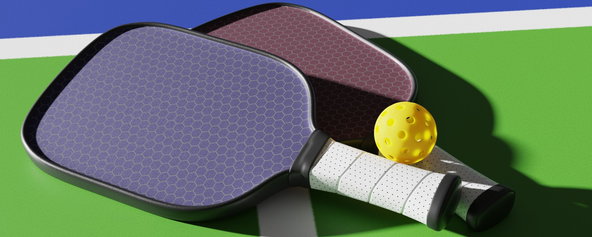
The more you know: Keeping score in pickleball
Pickleball as a game isn’t particularly difficult to pick up as long as you know the rules.
180 days ago
-Will Daughton
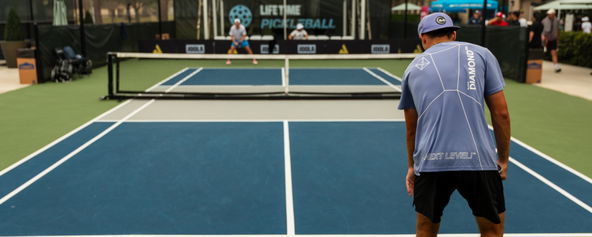
Players react to new singles lines at Houston PPA Challenger
The modified courts bring in the sidelines 1.5 feet on each side, which reduces the total court width from 20 feet to 17 feet.
227 days ago
-Pickleball.com Staff