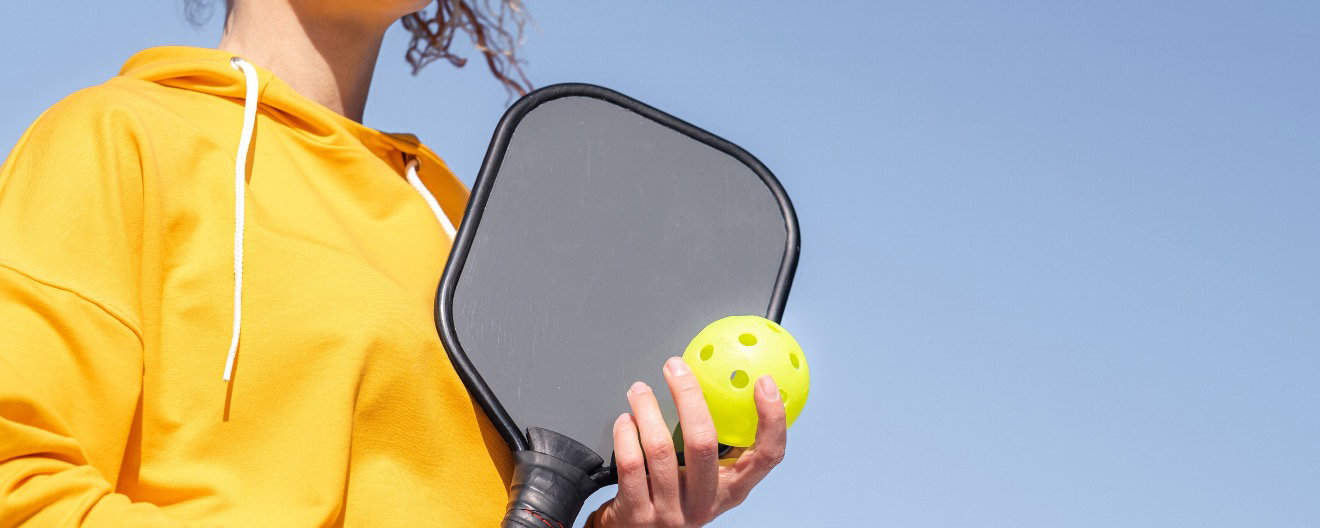
End more points with the deceptive putaway
And that's exactly what your opponent is counting on.
The players who win the most points at the net aren't always the ones swinging the hardest — they're the ones swinging the smartest. The deceptive putaway is one of the sneakiest weapons in pickleball, and once you understand how it works, you'll never look at an overhead opportunity the same way again.
What Is the deceptive putaway?
The shot itself is simple in concept and infuriating in execution (for your opponents, at least).
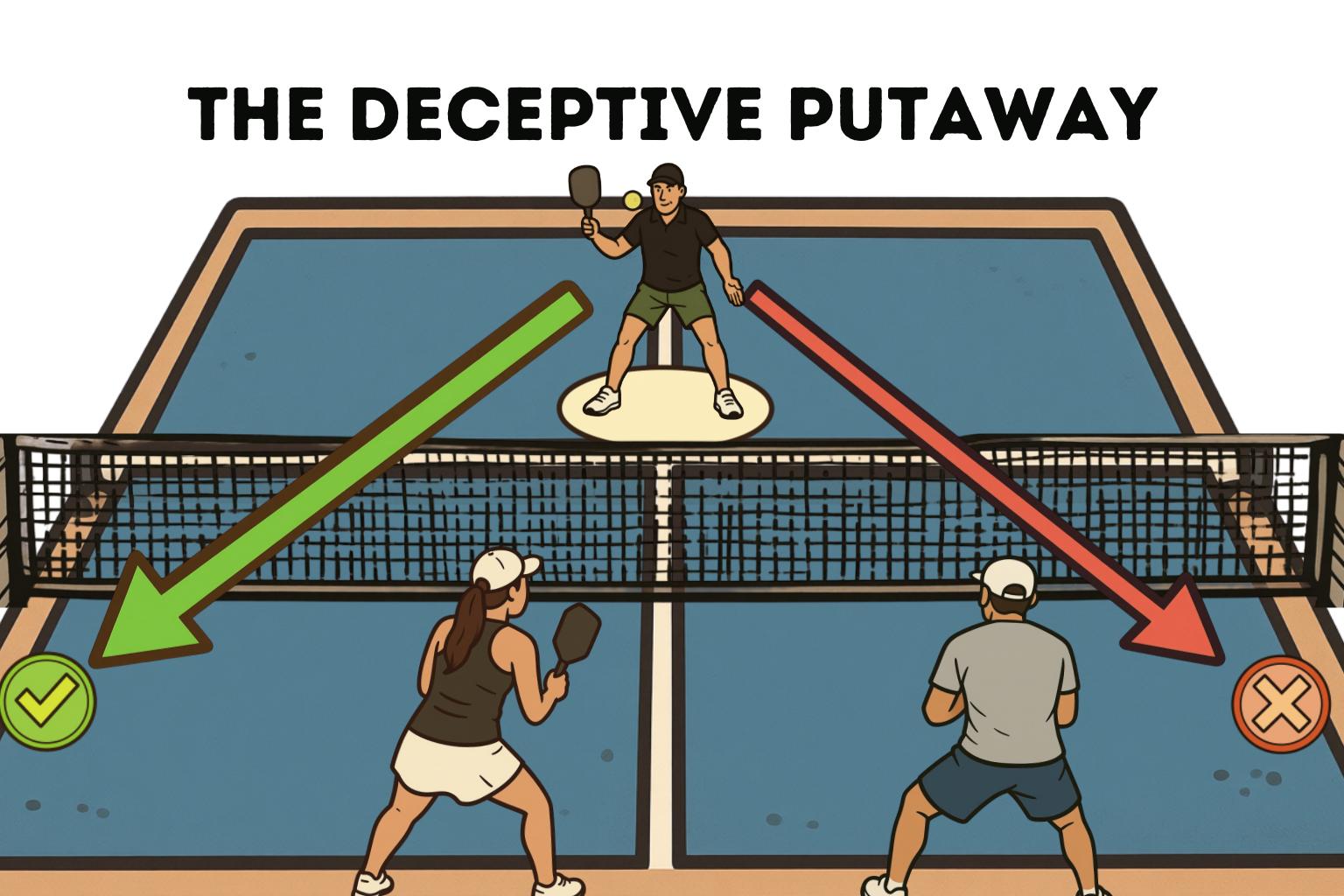
You load up your overhead swing exactly like you're going cross-court with all the body language of a hard smash in one direction. Your opponent reads it, starts shifting their weight, maybe even takes a step. Then, at the last moment, you redirect your paddle face and send the ball the opposite way. They're already moving the wrong way, and even if the shot isn't hit hard, they can't recover.
Here's the key principle: the deception happens in the setup, not the swing.
Why misdirection beats power
Think about what happens when you just rear back and blast an overhead at a ready opponent. They absorb it, reset, and suddenly you're back in a dink rally you didn't want. A hard shot at someone who's ready can absolutely come back.
A ball placed where they aren't standing cannot.
At higher levels of play, opponents can handle pace. What they can't handle is being in the wrong place at the right time. Misdirection solves a problem that power simply doesn't — it doesn't matter how fast the ball is if your opponent is already moving to catch it.
This is also a huge mental game shift. Once you've hit one deceptive putaway on someone, they start second-guessing every overhead read for the rest of the match. That's free points you haven't even earned yet.
How to do it: Step by step
Step 1: Positioning and reading the lob
The shot only works if you're in position early. Get under the ball with room to swing — if you're scrambling, you won't have the composure to sell the deception. As you set up, consciously think about which direction your opponent expects you to go. That's your misdirection target.
Step 2: Load the swing and sell the fake
This is where the magic happens. Your backswing, your shoulder turn, your hip rotation — everything should scream cross-court (or wherever the "obvious" shot would be). You want your opponent to commit. Let them commit. The more they buy the fake, the better.
Don't rush this part. A slow, exaggerated setup actually helps sell the deception better than a quick swing.
Step 3: The redirect — paddle face does the work
At contact, rotate your wrist to open or close the paddle face and redirect the ball the other direction. Your swing path stays mostly the same — it's the face angle that changes the destination. Keep your follow-through natural so you don't tip off the change too early.
The contact window is small, so this takes reps to feel comfortable. But once it clicks, it becomes surprisingly instinctive.
Common mistakes to avoid
- Telegraphing the redirect too early. If your wrist rotates before contact, a sharp opponent will pick it up. Commit to the fake right up until the moment of impact.
Only using it when you're obviously set up. Mix it in on balls where you look slightly rushed too — it keeps opponents from relaxing when you're in a comfortable position.
Hitting it too hard. This shot thrives on placement, not pace. A softer redirect to an open corner is far more effective than trying to blast and redirect at the same time.
When to use it
The deceptive putaway isn't a shot for every overhead — it's a shot for the right overhead. Look for it when:
- - Your opponent has clearly committed to one side in anticipation
- - You've already hit a few cross-court overheads and established a pattern
- - The rally is long and your opponent is reading your shots well
Use it selectively and it stays effective. Use it constantly and it becomes predictable which defeats the whole point.
The bottom line
Pickleball is a game of angles, patience, and information. The deceptive putaway is all three wrapped into one shot. You're giving your opponent bad information, using the angle they don't expect, and staying patient enough to wait for them to commit before you pull the trigger.
It's not the flashiest shot in the game. But it might be one of the most satisfying — because when it works, your opponent doesn't just lose the point. They lose it knowing they were completely fooled.
And that's a feeling worth practicing for.
Related articles
How to develop fast hands in pickleball
Spend 10 minutes and start seeing immediate results.
1 day ago
-Victoria Radnothy
Pros reveal their favorite shots, and how to master them
You should be taking good notes.
2 days ago
-Victoria Radnothy
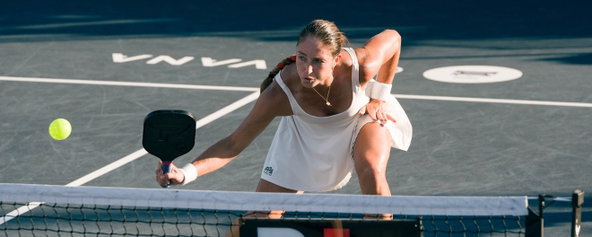
Common pickleball mistakes to avoid, according to the pros
These small errors could be holding you back.
3 days ago
-Victoria Radnothy
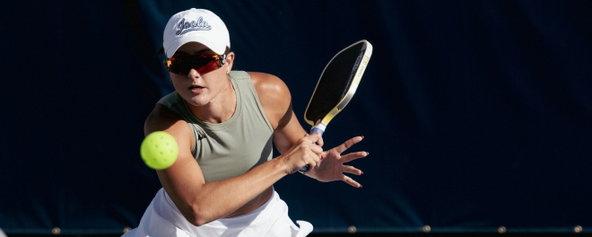
Anna Bright’s favorite pickleball drills: The ultimate guide to three-person training
For players looking to improve their dinking, speed-ups, resets, and court awareness, her training methods offer a highly effective roadmap.
9 days ago
-Pickleball.com Staff