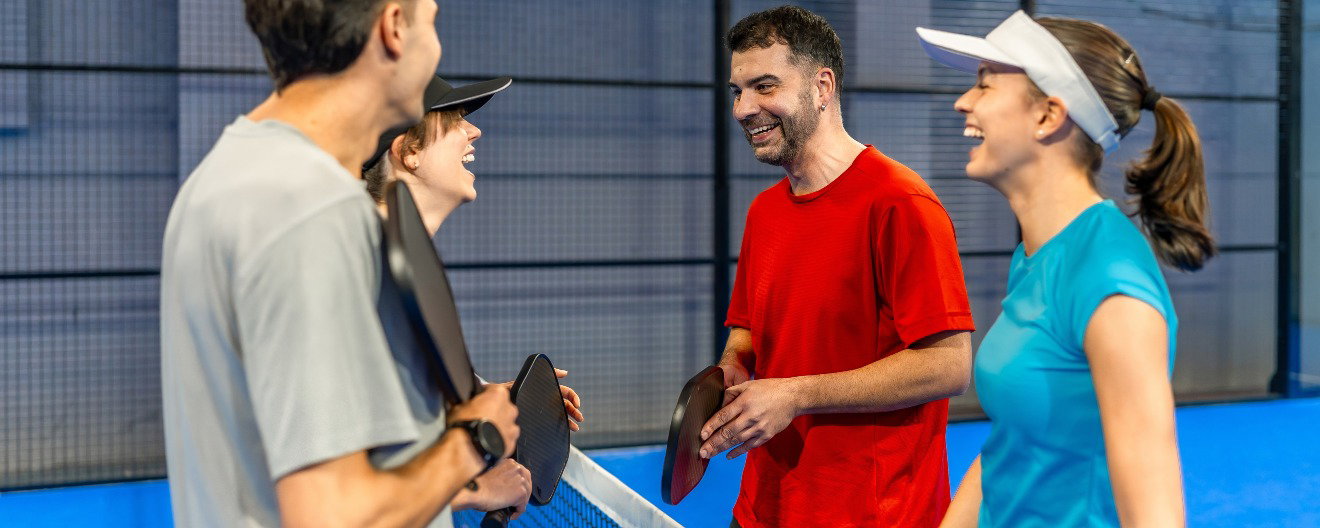
Is pickleball actually good for you? What the data reveals
Pickleball has exploded in popularity over the past few years. Courts are popping up everywhere, from suburban neighborhoods to major cities, and players of all ages are picking up paddles. But with any fast-growing sport, one question naturally follows: is pickleball genuinely good for your health, or is it just another passing trend?
A large-scale study conducted by Apple in collaboration with Harvard Medical School and Brigham & Women’s Hospital offers a compelling answer. By analyzing data from over 250,000 participants across five years (covering an astonishing 186 million logged days of health metrics), the research provides one of the most comprehensive looks at how pickleball impacts the human body and mind.
The findings are hard to ignore.
Pickleball delivers real cardiovascular benefits
One of the biggest misconceptions about pickleball is that it is a light or low-effort activity. In reality, the sport provides a solid cardiovascular workout. The study found that players reach an average peak heart rate of around 143 beats per minute, which is approximately 70% of their estimated maximum heart rate.
This is significant because it places pickleball squarely within the range that cardiologists recommend for improving heart health and supporting fat loss. In other words, pickleball is not just casual recreation, it is effective exercise.
Players stay on the court longer
Another key advantage of pickleball is how long people tend to play. On average, a pickleball session lasts about 90 minutes, compared to roughly 81 minutes for tennis.
That additional time may not sound like much at first, but over weeks and months, it adds up. The reason behind it is simple: pickleball is highly engaging. Players often find themselves so absorbed in the game that they continue playing without feeling fatigued or bored. This naturally leads to more consistent and sustained physical activity.
A powerful boost for mental health
Perhaps the most striking finding from the study relates to mental well-being. Regular pickleball players were found to be 60.1% less likely to show signs of depression compared to non-players. Tennis players also benefited, with a 51.3% reduction, but pickleball showed an even stronger effect.
This suggests that pickleball is not just good for the body, it may also play a meaningful role in supporting mental health.
Why pickleball feels so good
The mental health benefits of pickleball can be explained by a combination of factors that work together in a unique way.
First, the sustained aerobic activity helps release endorphins as well as neurotransmitters like dopamine and serotonin, which are closely linked to mood regulation. Second, the sport is inherently social. Most games are played in doubles format, encouraging interaction, teamwork, and connection. Third, pickleball requires strategy and quick decision-making, which keeps the brain actively engaged and leaves little room for negative thought patterns.
Together, these elements create a powerful mix of physical exertion, social bonding, and mental stimulation.
It’s not just for older adults anymore
Pickleball has long carried the reputation of being a sport primarily for older adults. While the study found the average player age to be around 51, the demographic landscape is changing rapidly.
The fastest-growing group of players is between the ages of 25 and 34. In fact, the average player age has dropped from 38 in 2021 to 34.8 in 2025. This shift highlights how pickleball is evolving into a mainstream sport with broad appeal across generations.
Closing the gender gap
Another notable trend is pickleball’s increasing inclusivity. While many racket sports have historically skewed heavily male, pickleball shows a more balanced participation rate.
In the United States, the gender split is approximately 57% male and 43% female. This makes it one of the most accessible and welcoming sports for a diverse range of players.
Surpassing tennis in popularity
In July 2023, pickleball reached a major milestone: for the first time, the number of recorded pickleball workouts in the study surpassed those of tennis within a single month.
Unlike tennis, which tends to fluctuate with the seasons, pickleball participation has shown steady and continuous growth. This consistency is a strong indicator of long-term adoption rather than temporary interest.
More than a trend
Fitness trends often follow a predictable pattern. They rise quickly, peak, and then fade. Pickleball, however, is behaving differently. Participation continues to grow month after month and year after year.
This pattern suggests that pickleball is transitioning from a trend into a lifestyle sport, something people integrate into their regular routines rather than try briefly and abandon.
The rise of pickleball in India
The growth of pickleball is not limited to the United States. In India, the sport is experiencing rapid expansion, with more than 150,000 active players and over 1,200 dedicated courts.
Major cities such as Mumbai, Bengaluru, Gurgaon, and Delhi are leading this movement, and participation has surged by 150% in just two years. The same benefits observed in the U.S. are now beginning to emerge in Indian urban centers as well.
In summary
Pickleball stands out as one of the most efficient and well-rounded activities available today. It combines cardiovascular exercise, mental stimulation, and social interaction in a way that few sports can match.
Whether your goal is to improve your fitness, boost your mood, or simply find an activity you enjoy enough to stick with, pickleball offers a compelling solution.
If you have been on the fence about trying it, the data makes a strong case: this is more than just a trend, it is a powerful addition to a healthy lifestyle.
Related articles
Should pickleball players take creatine? Benefits, dosage, safety, and what the research says
Creatine is the most studied supplement in sports nutrition with over 30 years of research backing it.
42 days ago
-Guest Author
The 2% Rule: How Summer Heat Quietly Costs You Points (And How to Fix It)
86 days ago
-Guest Author
Facing my fears: I finally went to open play alone
It took a little courage to put myself out there, and I’m proud that I did.
88 days ago
-Victoria Radnothy
Texas Ranchers announce BAiO as performance intelligence partner in record-breaking deal
The agreement's mid-six-figure value makes it the highest team-level single-year deal in Major League Pickleball history.
188 days ago
-Will Daughton