.png?width=1320&height=528&optimizer=image)
Five ways to elevate your dink game like a pro
Dinking is often viewed as a simple battle of keeping the ball low and waiting for an opponent to make a mistake.
At higher levels, however, the soft game is much more strategic.
The kitchen line becomes a chess match, with players constantly fighting for position, creating pressure, neutralizing difficult situations and waiting for the right opportunity to attack.
The pros have mastered that battle, and there are several key differences between how they approach dinking and how many recreational players do.
Here are five ways to start thinking about the dink more like a pro, according to Roscoe Bellamy.
1. Get into better position
One of the biggest differences between recreational and advanced players is positioning.
Instead of leaning and reaching for every dink, pros prioritize getting their bodies into position so they can make a quality shot and have more options on the next ball.
Good positioning turns a neutral dink into an opportunity to apply pressure.
When you're properly positioned, you can attack, hit a pressure dink or change direction without being forced into an awkward shot.
One simple way to think about your positioning is to get your outside leg behind the ball.
If the ball is moving toward one side, move your feet so your outside leg is behind it, make your shot and then recover toward the middle.
The goal isn't simply to reach every ball. It's to move efficiently enough to give yourself the best possible position to hit it.
2. Know when to use a reset dink
Not every dink is an opportunity to counterattack.
When an opponent hits an aggressive or particularly effective dink and you're pushed off balance or out of an offensive position, trying to match their pace can put you in trouble.
That's when a reset dink can help neutralize the rally.
Rather than continuing to push the pace, pull the ball back and take some of the speed out of the exchange. A dead dink toward the middle can make it difficult for your opponent to attack the next ball.
The middle is particularly useful because it gives your opponent less angle to work with.
The idea is simple: If you're in trouble, don't make the situation worse by forcing offense. Neutralize the ball and give yourself another chance to regain control.
3. Create pressure with your positioning
Hitting a good pressure dink is only part of the equation.
Once you've created pressure with your shot, your positioning can create even more.
For example, during a crosscourt dink exchange, a well-placed pressure dink can give you an opportunity to close the gap between you and your opponent.
Rather than hitting the dink and standing in the same spot, follow the shot and take away space.
That movement can put additional pressure on your opponent because they now have less room and fewer options.
It also puts you in a better position to attack if your opponent leaves the ball high.
The next time you hit a quality pressure dink, don't just watch the ball. Follow it with your positioning and be ready to hunt for the next attackable ball.
4. Use the middle to your advantage
Many players instinctively direct their dinks toward the wings.
Pros understand that the middle can be just as effective, and sometimes even more dangerous.
A dink toward the middle creates immediate uncertainty for the opposing team. Both players have to decide who is taking the ball, and that decision has to be made quickly.
The middle also limits your opponents' angles.
If they try to attack from the middle, their options are more restricted because the ball is coming through a smaller window. Hard shots toward the outside can also go wide more easily.
Perhaps most importantly, using the middle can bring your opponents closer together.
Once they're pulled toward the center, you can then use a pressure dink toward the wing to move them again and create an opening.
Instead of thinking of a middle dink as simply a safe or patient shot, use it to manipulate your opponents' positioning.
Pull them in, then push them out.
5. Understand that patience creates pressure
Perhaps the biggest mindset shift is recognizing that patience isn't passive.
At the kitchen line, players often feel pressure to attack every ball. But the dink game is a constant push and pull, and forcing offense when the opportunity isn't there can create mistakes of your own.
Patience can actually create pressure on your opponent.
If you're willing to stay in the dink exchange and wait, your opponent may eventually feel like they need to do more. That can lead to a poor decision, an unforced error or a ball that sits up.
The goal isn't to attack simply because you can.
Instead, recognize when you have an advantage, neutralize when you're in trouble and wait for the right opportunity to apply pressure.
Think of the dink as a chess match
The best dinking isn't simply about hitting a soft shot over the net.
It's about understanding what the shot is accomplishing.
Are you in position to attack? Do you need to reset? Can you create more pressure with your feet? Can you pull your opponents into the middle before sending them wide? Or is the best play simply to stay patient?
Those decisions are what turn the kitchen line into a chess match.
The next time you step on the court, try incorporating these five concepts into your dink game: better positioning, reset dinks, pressure through movement, using the middle and patience.
You may start seeing the kitchen game and your next shot a little differently.
Related articles
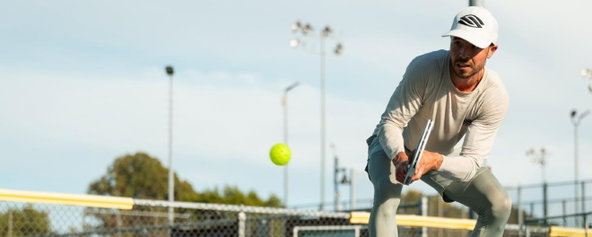
Pickleball Line Call Etiquette: the importance of fairness and sportsmanship
Zane Navratil shares what to do (and not to do) with line calls on the court.
2 hours ago
-Pickleball.com Staff
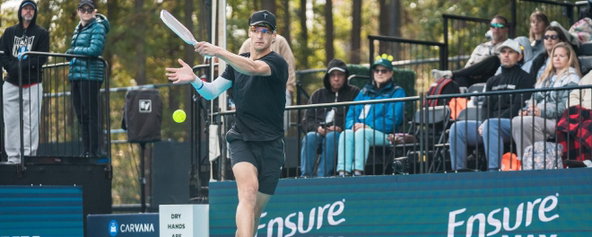
Elliott Schupp’s secret to success? Wall drills on a fridge
The youngster found the perfect surface to practice wall drills... his Frigidaire.
10 hours ago
-Victoria Radnothy
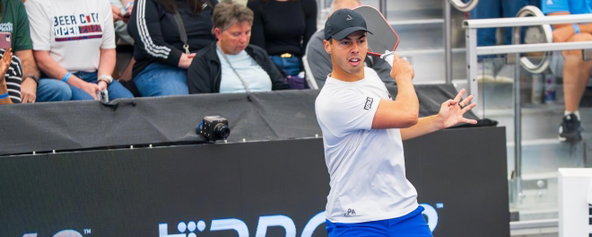
What makes Ben Johns so good at pickleball?
Zane Navratil breaks down the G.O.A.T.'s game to identify exactly what makes Ben Johns so tough to beat.
5 days ago
-Pickleball.com Staff
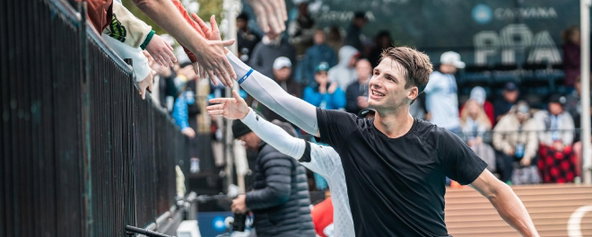
Who is Elliott Schupp? The next up-and-comer pickleball athlete you need to watch
He just won his first title on the PPA Tour, here's how he got there.
7 days ago
-Victoria Radnothy