
Pickleball Line Call Etiquette: the importance of fairness and sportsmanship
In pickleball, line calls can be some of the most contentious moments on the court. Whether playing recreationally with friends or competing in a high-stakes tournament, players must make quick decisions about whether a ball lands inside or outside the lines. While the official rules provide guidance, several unwritten expectations help maintain fairness, respect, and sportsmanship.
Pro player Zane Navratil broke down the unspoken rules in pickleball line-calling in a recent video:
One of the most important principles is simple: if you are unsure whether a ball is out, call it in. This approach gives opponents the benefit of the doubt and prevents players from gaining an unfair advantage through questionable calls. In a sport built around competition and community, honesty should always take priority over winning a point.
At the professional level, players may have opportunities to challenge their own calls when they are uncertain. This practice reinforces accountability and encourages athletes to prioritize accuracy over personal advantage. Rather than treating every close call as an opportunity to win, players should be willing to acknowledge uncertainty and allow the appropriate process to determine the outcome.
Another important aspect of line call etiquette is the willingness to overrule a partner. Although correcting a teammate can feel uncomfortable, avoiding the truth simply to protect their feelings undermines the integrity of the game. If a player clearly sees that a partner has made an incorrect call, speaking up is the fair thing to do. Good teammates should welcome honest corrections rather than expect blind loyalty.
However, fairness also means knowing when to stop questioning other people's decisions. Constantly challenging opponents or repeatedly asking a referee to reconsider an obvious call can create unnecessary tension. While an occasional request for clarification may be reasonable, players should avoid turning every close decision into an argument. Respecting the process helps keep matches enjoyable and prevents minor disagreements from overshadowing the game itself.
Players should also avoid a tactic sometimes described as call baiting. This occurs when someone hits a ball that may be out and immediately shouts something like “Come on!” in an attempt to influence the opponent's decision. Such behavior puts unfair pressure on the person responsible for making the call. The opponent should be allowed to judge the ball independently, without being influenced by an early shout or an attempt to sway their judgment.
When a line call dispute cannot be resolved during recreational play, replaying the point can often be the simplest solution. Unlike professional tournaments, where formal procedures govern disputes, casual games offer more flexibility. Rather than allowing a disagreement to ruin an otherwise enjoyable session, players can agree to start the point again and move forward. The goal is to preserve friendly competition, not to win an argument at all costs.
Repeatedly making questionable calls can be especially frustrating. Some players refuse to reconsider their decisions even when others believe the call was incorrect. In recreational settings, maintaining the atmosphere of the game may be more productive than escalating a confrontation. Players should focus on keeping the session enjoyable, while recognizing that deliberate dishonesty damages trust and sportsmanship.
Finally, players should wait until the ball bounces before calling it out. Even when a shot appears to be heading well beyond the boundary, there is always a possibility that it will land inside the court. Calling the ball too early can interfere with the natural flow of play and create confusion about whether the point should continue.
This principle reflects a broader lesson: players should make decisions based on what actually happens, rather than what they expect to happen. Patience allows for more accurate calls and demonstrates respect for the opponent.
Ultimately, good line call etiquette comes down to honesty, accountability, and mutual respect. Players should give uncertain calls to their opponents, correct mistakes when necessary, avoid attempts to influence decisions, and resolve disagreements calmly. While competitive pickleball demands clear rules and consistent enforcement, recreational play benefits from flexibility and goodwill.
By following these unwritten expectations, players can reduce disputes, build trust, and keep the focus where it belongs: on enjoying the game and competing fairly.
To keep up to date on all things pickleball, follow us on Instagram.
Related articles
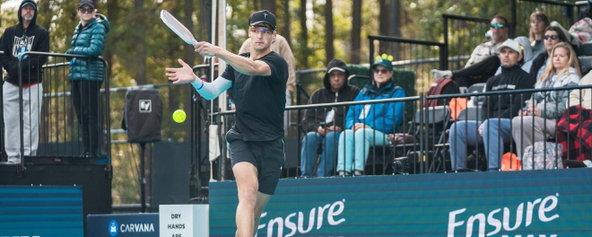
Elliott Schupp’s secret to success? Wall drills on a fridge
The youngster found the perfect surface to practice wall drills... his Frigidaire.
14 hours ago
-Victoria Radnothy

I said it once and I’ll say it again – pro pickleball needs a villain
"Every great sport has villains. People tuned in just to watch John McEnroe lose," said Zane Navratil.
4 days ago
-Victoria Radnothy
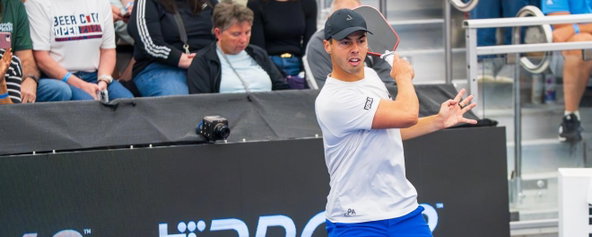
What makes Ben Johns so good at pickleball?
Zane Navratil breaks down the G.O.A.T.'s game to identify exactly what makes Ben Johns so tough to beat.
5 days ago
-Pickleball.com Staff

Who is Elliott Schupp? The next up-and-comer pickleball athlete you need to watch
He just won his first title on the PPA Tour, here's how he got there.
7 days ago
-Victoria Radnothy