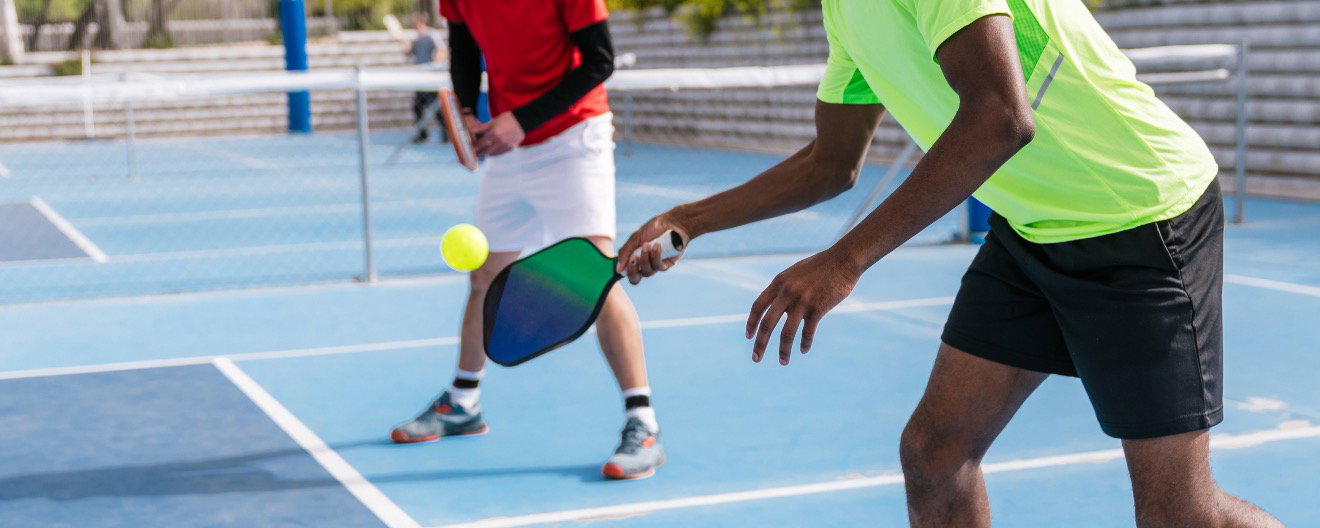
Pickleball speed-ups explained: How to improve your kitchen line attacks
Improving your speed-ups is less about hitting the ball harder and more about recognizing the right moment, staying compact, and controlling your contact. Many players already have enough power; the real difference comes from timing, decision-making, and the ability to stay balanced under pressure at the kitchen line.
The first step is learning when to speed up. Good opportunities usually come when a dink sits slightly above net height, when your opponent is leaning forward or reaching, or when you receive a ball that lands in your strike zone in front of your body. Crosscourt dinks that float even a little can also be attackable. If those conditions aren’t present, forcing an attack usually leads to an easy counter.
Once you recognize the opportunity, your mechanics need to stay simple. A speed-up should feel almost like a punch or flick rather than a full swing. The backswing should be minimal or nonexistent, and the motion should be quick and compact. If your opponent can clearly see your preparation, the surprise element is gone, which is a big part of what makes speed-ups effective.
Contact point is just as important as timing. The ball should be struck out in front of your body, ideally around waist to chest height. This position gives you better control over direction and helps you disguise the shot until the last moment. If you hit the ball late or off to the side, you lose both accuracy and the ability to apply controlled pressure.
Target selection is where smart players separate themselves. Instead of always aiming for the lines, effective speed-ups are often directed at the opponent’s body or paddle shoulder, which makes it harder for them to react cleanly. Hitting between opponents in doubles can also create confusion and force weak returns.
Another key concept is rhythm disruption. Speed-ups work best when they break a steady dinking exchange, not when they are used constantly. Most advanced players will dink patiently several times before suddenly accelerating a single ball. That change of pace is what creates hesitation and mistakes.
Finally, you have to expect the ball to come back. At higher levels, many speed-ups are blocked or countered immediately, so recovery is essential. After you attack, staying low, keeping your paddle in front, and preparing for a fast exchange is just as important as the shot itself.
Overall, improving your speed-ups is about learning to recognize small openings, using minimal motion, and applying pressure in smart locations. The goal is not simply to hit harder, but to turn a brief moment of advantage into control of the rally.
Working on speed-ups
One of the most effective drills is the “Random Green Light” drill. In this setup, you and a partner dink crosscourt at the kitchen line. The key is that your partner randomly feeds slightly higher or more attackable balls without warning. Your job is to instantly decide whether to continue dinking or speed up. This forces you to read subtle changes in height and positioning instead of pre-planning every shot.
Another high-value drill is the “One-Step Speed-Up” drill. You start in a standard dink rally, but you’re only allowed to attack after a split step and a single adjustment step. No big wind-ups or extra preparation. This trains compact mechanics and eliminates unnecessary motion. Over time, your speed-ups become quicker, cleaner, and harder for opponents to read.
The “Body-Target Only” drill is excellent for control. In this drill, all speed-ups must be aimed at the opponent’s body or paddle shoulder. No lines, no winners. Just pressure. This builds precision and teaches you that effective speed-ups are about discomfort and weak returns, not highlight shots.
You can also use a “5-Dink To Attack” rhythm drill. Both players must complete at least five controlled dinks before either is allowed to speed up. This simulates real match conditions where patience is required before finding the right moment. It also helps you avoid rushing attacks too early in the rally.
A more advanced option is the “Speed-Up and Counter” drill. One player initiates a speed-up, and the other must block or counter immediately. The rally continues at full kitchen speed until the point ends. This builds reaction time, paddle stability, and recovery after attacking—skills that are essential at higher levels where speed-ups rarely end the point instantly.
Finally, the “Dead Dink Recognition” drill is about sharpening your decision-making. Your partner feeds a mix of perfect dinks, slightly high dinks, and intentionally weak balls. You must call out “attack” or “reset” before you hit the ball. This trains your ability to read attackable balls earlier, which is what separates average speed-ups from elite ones.
When combined, these drills build a complete skill set: you learn to recognize opportunities faster, keep your swing compact, aim with purpose, and recover immediately after attacking. That’s what turns speed-ups from occasional winners into a consistent weapon at the kitchen line.
Related articles
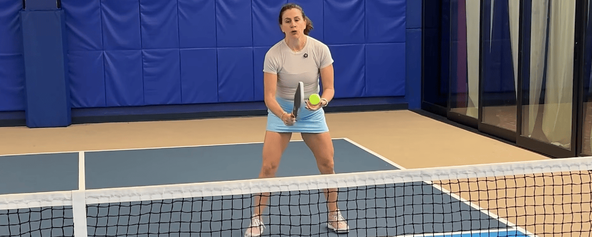
Five pickleball tips to improve your game from beginner to 4.0
Coach Jess breaks down concepts that can help players win more points, improve consistency, and avoid common mistakes on the court.
2 hours ago
-Pickleball.com Staff
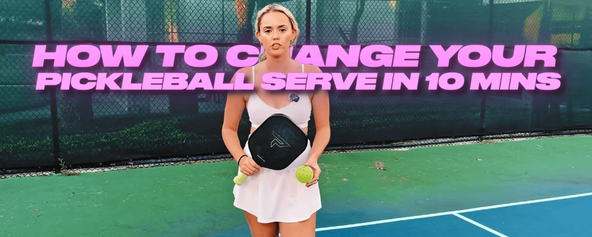
How to completely change your pickleball serve in 10 minutes
A few simple adjustments could help you add power, improve accuracy and eliminate the yips.
6 days ago
-Pickleball.com Staff
.png?width=592&height=237&optimizer=image)
Five ways to elevate your dink game like a pro
These strategies can help you make smarter decisions and gain the upper hand in kitchen line battles.
6 days ago
-Pickleball.com Staff

Five mindset shifts every pickleball player should know
Michael Lloyd shares lessons that changed the way he approaches the game, from redefining aggression to letting the ball dictate every shot.
7 days ago
-Pickleball.com Staff