Players can take this a step further by studying their opponents’ reactions when holding a dink. Often, opponents will instinctively prepare for a speedup. The next time you receive a dead dink and notice them shifting, especially cheating toward their backhand, you can surprise them by speeding up the ball to their shoulder where they’ll struggle to counter effectively.
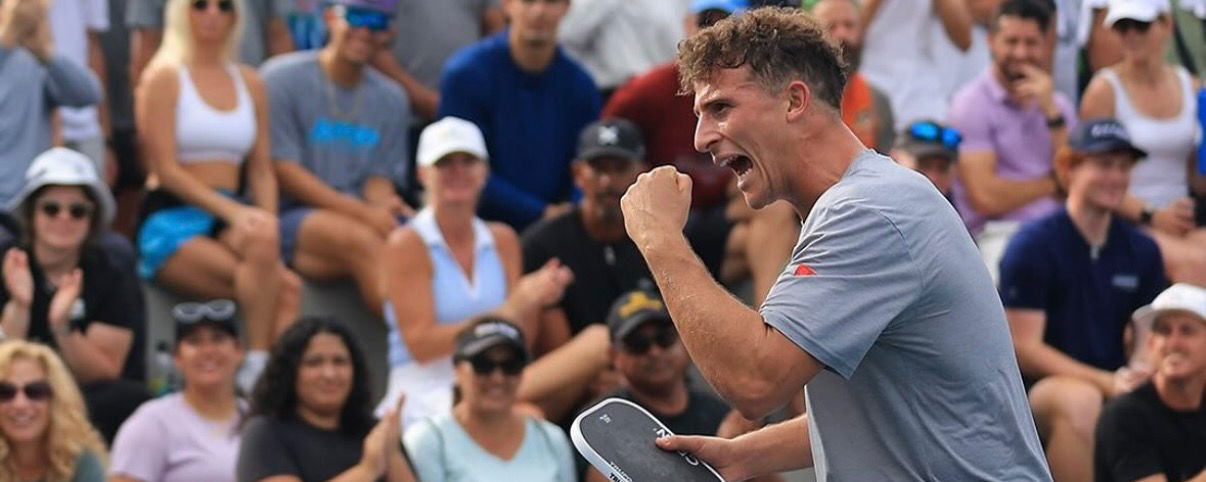
Take your pickleball IQ to the next level with Tanner Tomassi
Victoria Radnothy
Feb 12 2026 10:00 AM ET
Top pros like Ben Johns and Anna Leigh Waters are often recognized for their exceptional pickleball IQ.
While many players simply step onto the court and play, those who want to elevate their game can benefit from thinking more strategically.
Coach Tanner Tomassi shares a few key tips to help you outsmart your opponents.
1. Avoid speeding up balls that clip the net on their way over
“If you’re in a dink rally at the kitchen line and the ball is going back and forth, if your opponent nicks the net and the ball lands on your side, never speed that up,” insisted Tomassi.
He says this is a common mistake on amateur courts.
When the ball clips the net, it loses much of its momentum and pace, making a speedup attempt far less effective.
“Instead, when the ball nicks the net, use that as an opportunity to take control of the rally and hit an aggressive dink to set yourself up to win the point,” advised Tomassi.
2. Hold your dink for deception
Tomassi explained that this is a pro-level tip that top players consistently use in their matches.
“When they’re in a dink rally and they earn a dead dink, instead of rushing to dink it back, they actually hold their paddle underneath the ball for an extra second and it gives them deception to their opponents,” he demonstrated.
“If you hold, everyone thinks you’re going to speed up, so they try to figure out where,” added Tomassi.
3. Master when to drive or drop your third shot
“First, we’ll cover the drive. The first scenario is if the return bounces short and high in the court. That’s the perfect time to tee off and apply pressure. The second is if the opponent hits an aggressive deep return where you’re off your back foot. This is when you want to drive the ball to get an easier next one to drop,” said Tomassi.
“For when we should hit drops, the first scenario is if the return bounces shallow in the court, but low. The second scenario is if the opponent hits a return that lands deep near the baseline, but it comes in soft. You’re best off dropping the ball,” he added.
4. Channel nerves into strategy
This is a mental tip that everyone wrestles with, especially in a tournament setting.
“The way we counteract that is we take the weight off our shoulders and put it on our opponents,” shared Tomassi. “First, when you’re starting out the game, instead of hitting third shot drops when you’re nervous, hit third shot drives at 70% power that dip over the net. That way, my opponent that’s nervous has to handle my shot.”
Another common mistake Tomassi notices is players speeding up the ball at the kitchen line out of nerves, even when the situation doesn’t call for it. He recommends setting a rule with your partner to dink at least 10 balls before considering a speedup.
“Oftentimes, you’ll get to the net and your opponent who’s just as nervous will do something stupid or miss it into the net,” said Tomassi. “So by setting that rule with your partner, you’re grounded and level.”
By putting a few simple strategies like these into practice, you’ll quickly earn a reputation for having a high pickleball IQ and your opponents will feel the difference on the court.
Follow us on Instagram or X (formerly Twitter) for more pickleball tips.
Related articles
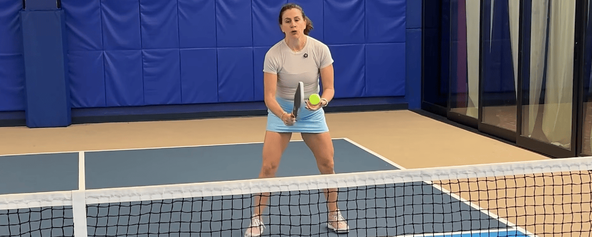
Five pickleball tips to improve your game from beginner to 4.0
Coach Jess breaks down concepts that can help players win more points, improve consistency, and avoid common mistakes on the court.
5 hours ago
-Pickleball.com Staff
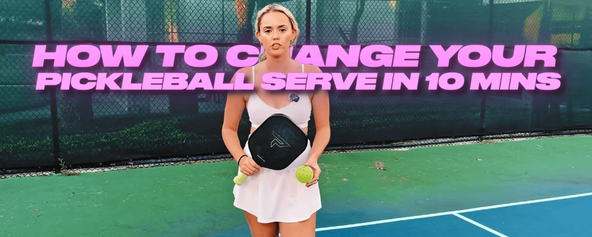
How to completely change your pickleball serve in 10 minutes
A few simple adjustments could help you add power, improve accuracy and eliminate the yips.
6 days ago
-Pickleball.com Staff
.png?width=592&height=237&optimizer=image)
Five ways to elevate your dink game like a pro
These strategies can help you make smarter decisions and gain the upper hand in kitchen line battles.
6 days ago
-Pickleball.com Staff

Five mindset shifts every pickleball player should know
Michael Lloyd shares lessons that changed the way he approaches the game, from redefining aggression to letting the ball dictate every shot.
7 days ago
-Pickleball.com Staff