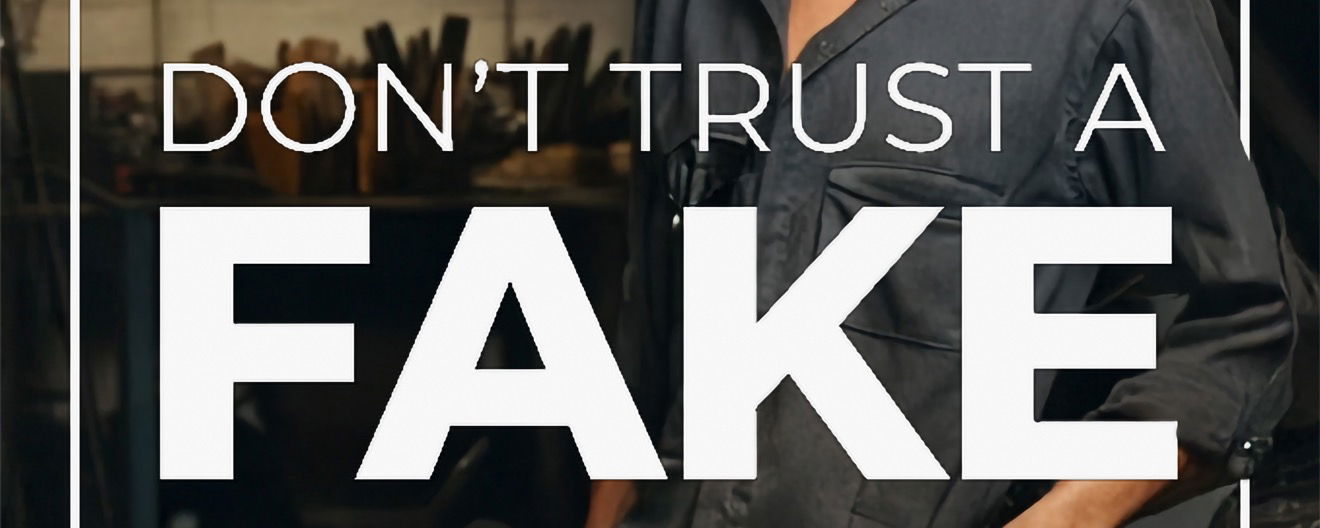
Pickleball community unites against counterfeit paddles
As pickleball continues its meteoric rise across the globe, a serious challenge has emerged alongside that growth: counterfeit paddles.
In response, the sport’s most influential entities have come together in a unified effort to protect and educate players, preserve competitive integrity, and safeguard the future of the game.
Participating in this initiative are the Association of Pickleball Players (APP Tour), Dynamic Universal Pickleball Ratings (DUPR), Major League Pickleball (MLP), Professional Pickleball Association (PPA Tour), United Pickleball Association of America (UPA-A), USA Pickleball (USAP), and the World Pickleball Federation (WPF).
"This issue has aligned every organization," indicated a joint statement released earlier this month. "There is no room for counterfeit paddles in the sport."
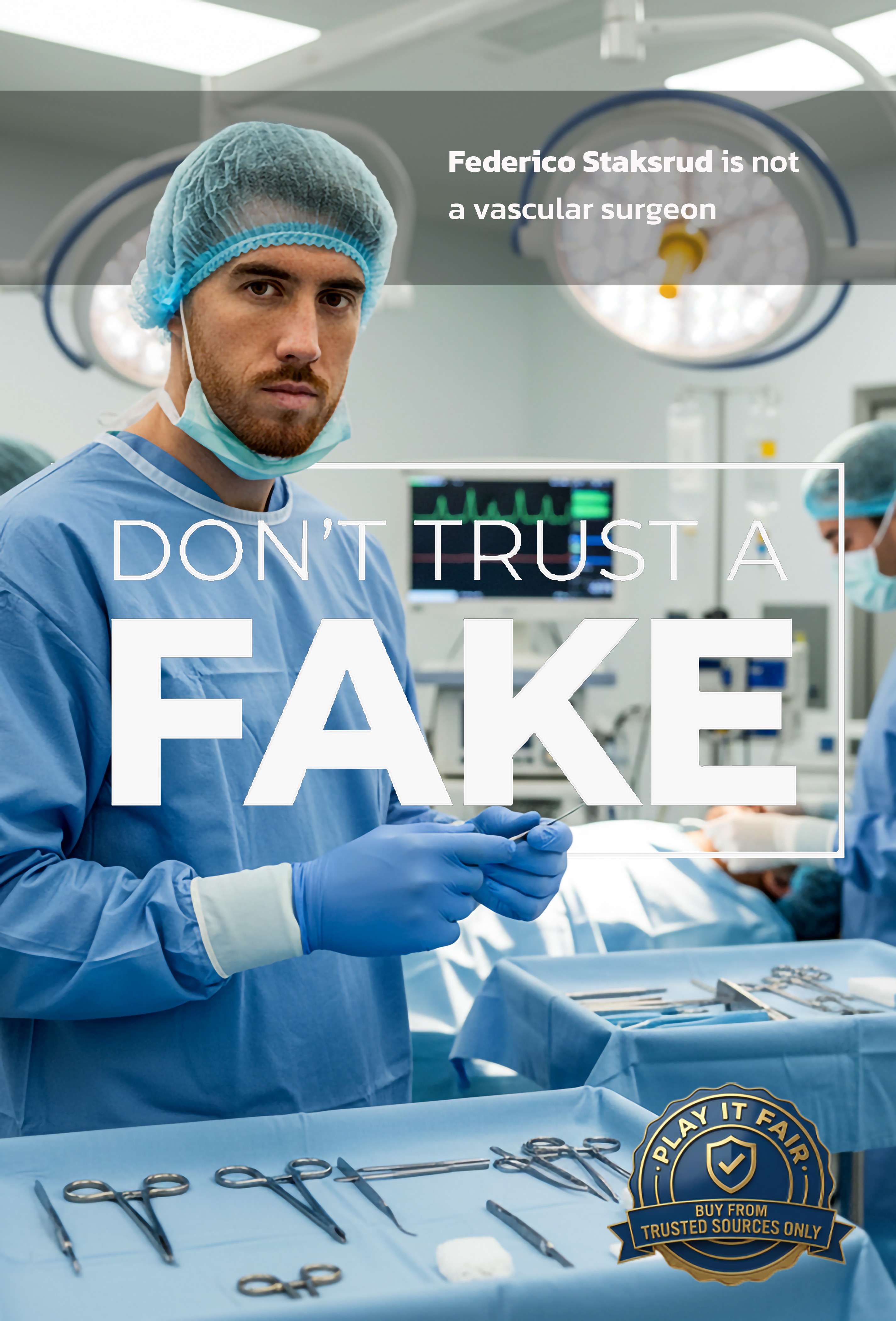
Alongside the broader education initiative, a separate campaign led by the UPA-A is taking a bold approach to spreading the all-important message.
The "Don’t Trust A Fake" campaign uses AI-generated composites of players like Christian Alshon, Tyra Black, Kate Fahey, Hayden Patriquin, Catherine Parenteau and Federico Staksrud, and reimagines them in different careers.
The PSA-style images essentially highlight the absurdity of trusting a fake paddle to perform the way you need it to when it matters most.
"The rise of counterfeit, knockoff and fake paddles is an existential threat to the integrity, fairness, safety, and economics of pickleball," stated a UPA-A deck detailing the advertisement series. "Supply of these counterfeit paddles is plentiful. We strongly encourage brands and trade organizations to be aggressive in stopping them."
The UPA-A also published a "Best Practices Guide" to combat the proliferation of these paddles by helping players identify what is authentic and what is not.
This is especially crucial since mainstream sites like Walmart and Amazon have already been infiltrated and market confusion is only going to worsen.
Key indicators of counterfeit, knockoff and fake paddles include:
- Oftentimes (but not always) counterfeiters do not include the brand names and/or logos of the manufacturer. This is a tell-tale sign paddles are not authentic.
- Unique features, such as a hologram, can be tell-tale signs of a counterfeit as well.
- Notice no mention of a paddle manufacturer (i.e., JOOLA) in the product description copy on a website as well.
"Understanding what you are playing with, and more importantly, against, is important," added the UPA-A deck. "But things aren’t always what they seem. Counterfeits and knockoffs can look very similar, but often perform very differently."
The "Don’t Trust A Fake" campaign’s focus is first and foremost on suppressing the demand side.
The objective is to make it socially unacceptable to play with a fake paddle.
"We must communicate to the consumer that if a deal is "too good to be true," it is very likely a counterfeit," concluded the UPA-A deck. "We will strongly encourage consumers to buy from authorized dealers or direct from brands, and if they choose to shop on a platform, to understand who the actual seller is to avoid being deceived."
Related articles
Project Coyote brings the heat as Proton players celebrate 14 medals in Mesa
The Coyote is a 15mm elongated paddle and Proton’s most powerful paddle yet.
14 days ago
-Guest Author
20 things pros wish they knew earlier in pickleball
These quick tips can help you level up your game fast.
20 days ago
-Victoria Radnothy
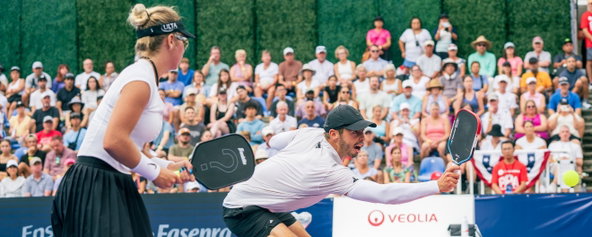
What pickleball paddles do the pros use? Top 20 players in 2026
Wondering what pickleball paddles the best players in the world are actually using?
21 days ago
-Hannah Johns
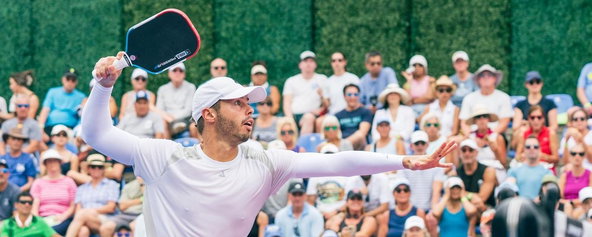
Which JOOLA paddle is right for you? Your complete buying guide
Choosing the perfect paddle can feel overwhelming, but the experts at Pickleball Central make it a whole lot easier.
23 days ago
-Victoria Radnothy