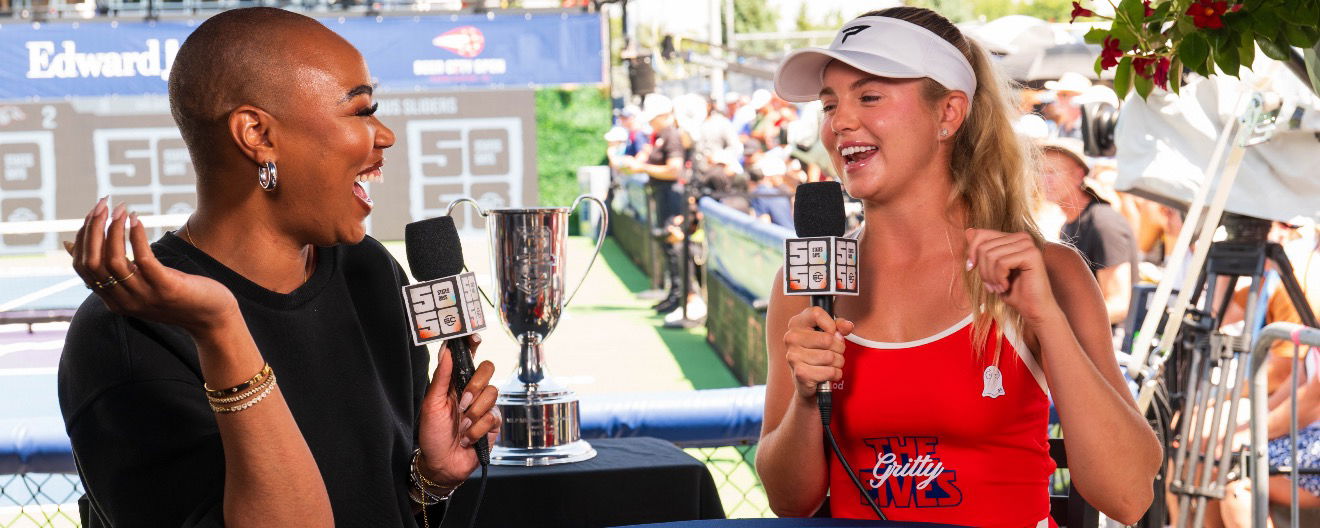
Anna Leigh Waters talks pickleball on SportsCenter
New Jersey 5s superstar Anna Leigh Waters was a guest on SportsCenter on Thursday.
The SportsCenter: 50 States in 50 Days content series visited Belknap Park in Grand Rapids, MI to showcase professional pickleball to the world.
The venue is currently hosting the Beer City Open and the Edward Jones MLP Mid-Season Tournament presented by DoorDash.
Waters sat down with ESPN host and reporter Christine Williamson for a live interview.
Here are some highlights from the chat.
Christine Williamson: When you think about the sport as a whole, a lot of people question it, a lot of people have their doubts about whether or not it's a "real" sport. What do you say to people that say that?
Anna Leigh Waters: Before I started playing, I was honestly one of thouse doubters, and once I got on the court, I was like, 'I get the hype.' This is a "real" sport. It takes athleticism, it takes hard work, so I would say to those people just get out on the court and try it for yourselves.
CW: You want pickleball to be added to the Olympics. What do you think that would mean for the growth of pickleball?
ALW: Selfishly, it would mean a lot to me, just because I would love to compete in the Olympics and represent the U.S., but for pickleball, I think it would be huge. It would add just another level of that legitimacy. It definitely should be there, in my opinion. I think a lot of people are working on it, so I'm hoping that I can play in the Olympics and everyone can watch in the future.
CW: Why do you think pickleball is the fastest-growing sport in the world right now?
ALW: I think because anybody, any age, any gender can play the sport. When I was 10 years old, I was playing with my 70-year-old grandfather. We were still able to rally on the court, which you can't really do in other sports. I also think there's a huge community in pickleball. I feel like in other sports there's a lot of tension, but in pickleball we're just all friends. This huge community just makes people's lives better. They meet new friends, lifelong friends, which has happened for me, too, so it's just a sport for everyone.
CW: What is the vibe of a tournament?
ALW: You should definitely come to a pickleball tournament. The vibe is immaculate. Everyone's talking, cheering. Even if you're not cheering for a specific team, everybody still claps, everybody's rowdy. People here are having a great time and being loud, and that's what we want on the court. We want all that energy.
CW: You're the No. 1 player in the world. How does that feel? Does that feel real?
ALW: It's crazy. I try not to think about it too much, and try not to put too much pressure on myself. I've been playing this sport for a while, so I think just having that security in the back of my head, like, 'Ok, I've been doing this for a while. It's not like I just started playing and I'm No. 1,' so it feels pretty natural now, which is pretty cool to say. I'm just having a blast and enjoying every moment of it.
CW: Do you feel like it puts a target on your back at all?
ALW: For sure. You definitely get people's best when they play you because they have no pressure and you have all the pressure to win those matches. But, I also think that builds character, builds strength, and builds confidence, and I think I've grown as a person from it because I've faced so much adversity.
CW: Your mom isn't just your coach. She has played with you and against you. What's that dynamic like?
ALW: My mom was actually No. 1 in the world before I was, so it must be like a genetic thing. It runs in the family. The first time I beat my mom, I was like, 'Oh my gosh. This is crazy.' The dynamic in the family after that was a little strange because I was 11 when it happened, and my mom was like, 'My 11-year-old is not supposed to beat me right now.' But, then we started playing together. I was traveling the country with my mom. We were playing a professional sport and winning. We were No. 1 in the world together at one point, so just having all these memories, playing with and against my mom, it's been amazing and it's something that I'll always remember.
CW: What do you hope the future of pickleball looks like?
ALW: It's growing internationally right now, but I hope it grows even more internationally. I think the more people we can get to play pickleball, the better. The youth factor is also important. I was younger when I started playing pickleball, and I was like the only kid who played. Now, sometimes we go to pickleball tournaments and there are 200 kids there. I think it's definitely growing internationally and among youth, but we can definitely do more there.
Related articles
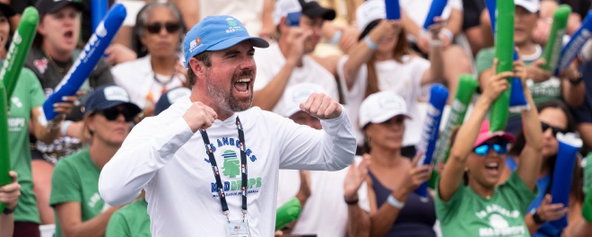
Team captains weigh in on what they’re looking forward to at MLP Nations Cup
The excitement is building for this first-of-its-kind MLP event.
1 day ago
-Pickleball.com Staff
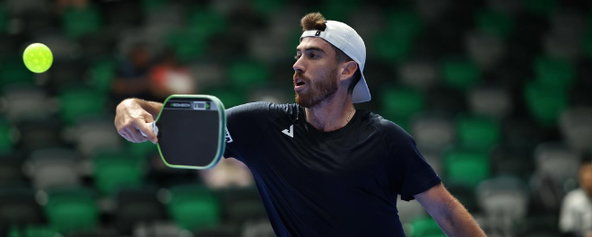
The pros are going on the best side quests in Asia
From celebrating fake birthdays to ancient Chinese rituals, the pros are having a lot of fun abroad.
1 day ago
-Victoria Radnothy
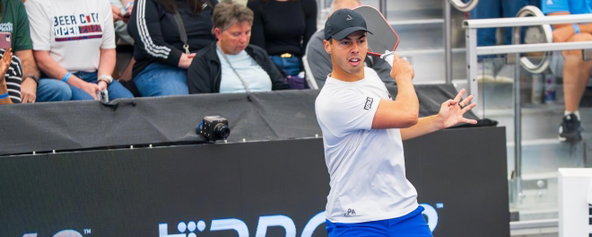
What makes Ben Johns so good at pickleball?
Zane Navratil breaks down the G.O.A.T.'s game to identify exactly what makes Ben Johns so tough to beat.
2 days ago
-Pickleball.com Staff
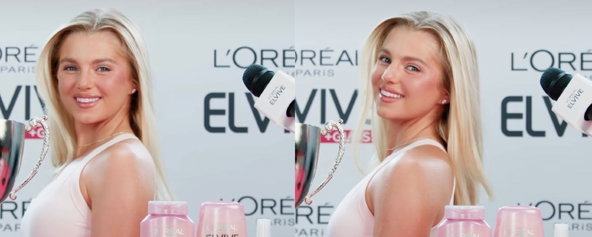
Ready for her close-up: Anna Leigh Waters partners with L'Oreal Paris
ALW is only getting more iconic.
3 days ago
-Victoria Radnothy